We may earn a commission if you buy through links on this page. It never changes a score or a ranking. How we make money
A small team may not need a dedicated AI observability platform until LLM or agent quality, usage, and cost become hard to track. If you do, start with the free options: OpenLIT is self-hosted, while HoneyHive and Agenta also have free plans. For paid entry points, Agenta lists $29 and Helicone lists $79 per month; Coval starts at $80. Those figures aren’t necessarily the total for several seats, so confirm billing and usage limits before you commit. Our top pick is OpenLIT if your team can handle self-hosting.
Quick picksThe shortlist
01Compared at a glance
02The picks, in detail
- Best free
 OpenLITOpenLIT
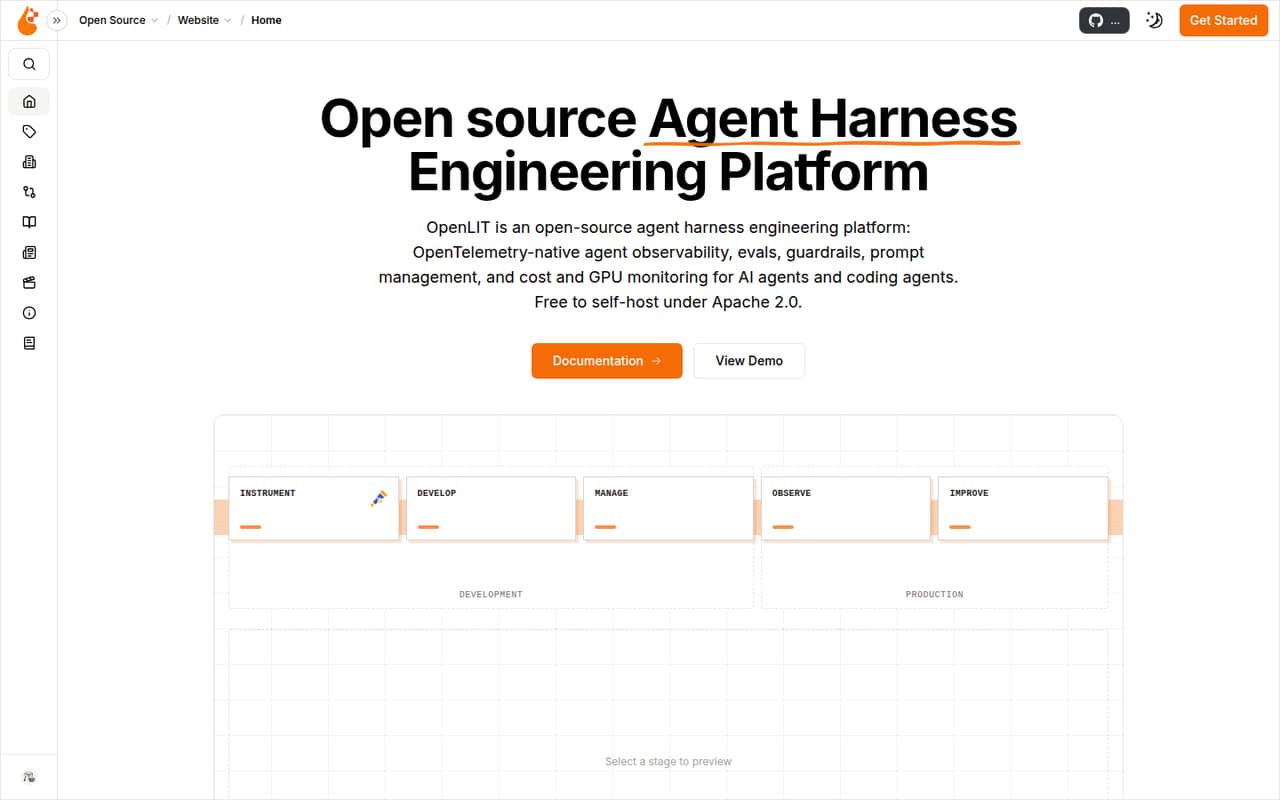
OpenLIT is our first pick for teams that want broad AI monitoring without a software bill: its free plan is self-hosted, and it tracks GPU use. That fits budget-conscious LLM developers and teams running their own AI workloads. The trade-off is setup: choose it only if your team can manage the self-hosted option. Check the docs for deployment requirements before making it part of a production workflow.
What works
- OSS plan is free under Apache 2.0
- Unlimited self-hosted usage and no per-trace fee
- Traces can be exported to other OpenTelemetry backends
What doesn't
- Self-hosting means your team manages deployment
- Hosted Cloud is listed as coming soon
- Enterprise pricing requires contacting the vendor
- Best for agents
 HoneyHiveHoneyHive
HoneyHive is a good starting point for a small team building agents and checking changes before release. Its free entry point is described as generous, and it also covers production quality and cost tracking. The catch is paid scaling: HoneyHive does not publish those costs here, so ask for a quote or usage-based estimate before you depend on it as your team grows.
What works
- Free plan includes up to 5 users
- 10,000 events per month at no charge
- Production monitoring covers quality, cost, and latency
What doesn't
- Free plan is capped at 10,000 monthly events
- Only one workspace is included on Developer
- Developer data retention is limited to 30 days

- Best for Slack teams
 AgentaAgenta
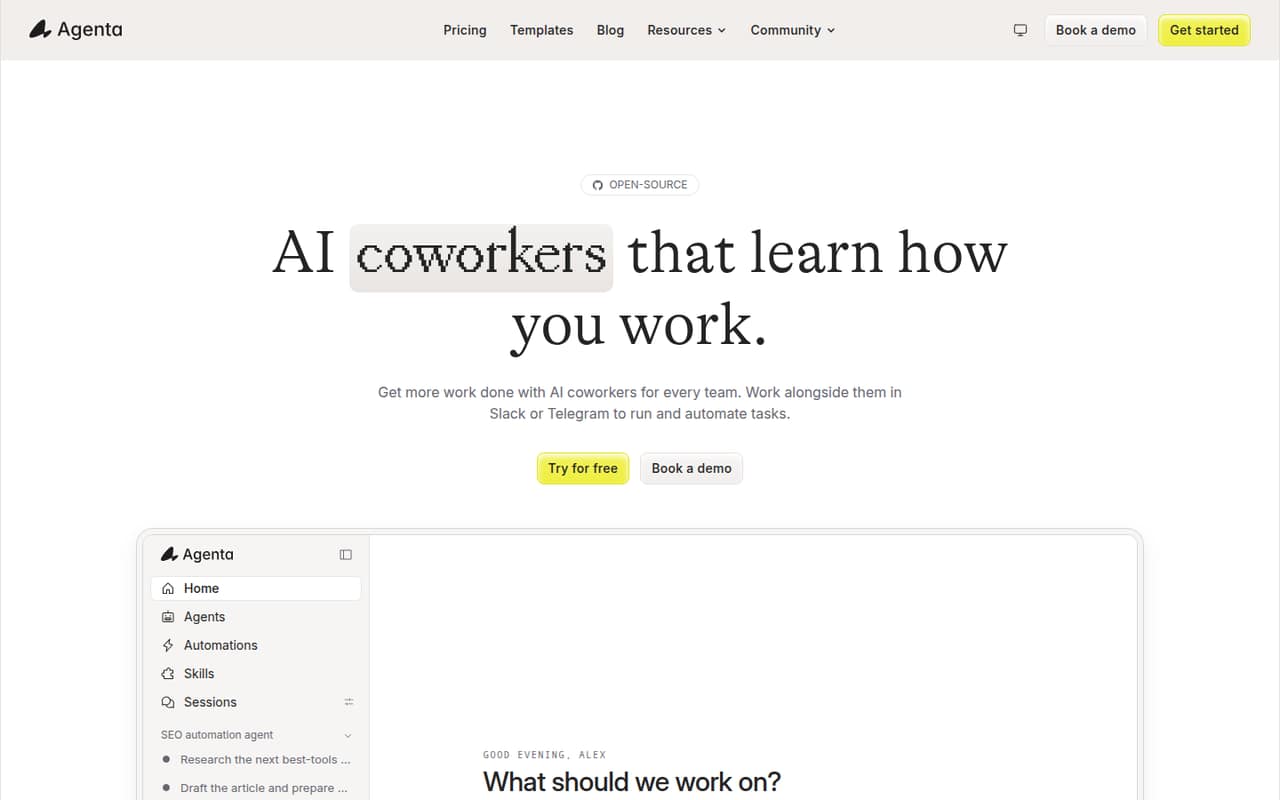
Agenta suits small teams automating recurring tasks, especially if they already work in Slack or want a self-hosted option. It has a free plan and a listed starting price of $29. The credit limits and self-hosting option need planning, so ask what the free plan includes and how credits are counted. Confirm whether the $29 starting point covers your intended team size and workload.
What works
- Free Hobby plan includes signup and daily credits
- Starter costs $29 monthly for unlimited members
- More than 1,000 integrations are listed
What doesn't
- Hobby limits projects, members and concurrency
- Monthly credit allowance may require add-ons
- Annual pricing is not published
- Best for LLM routing
 HeliconeHelicone
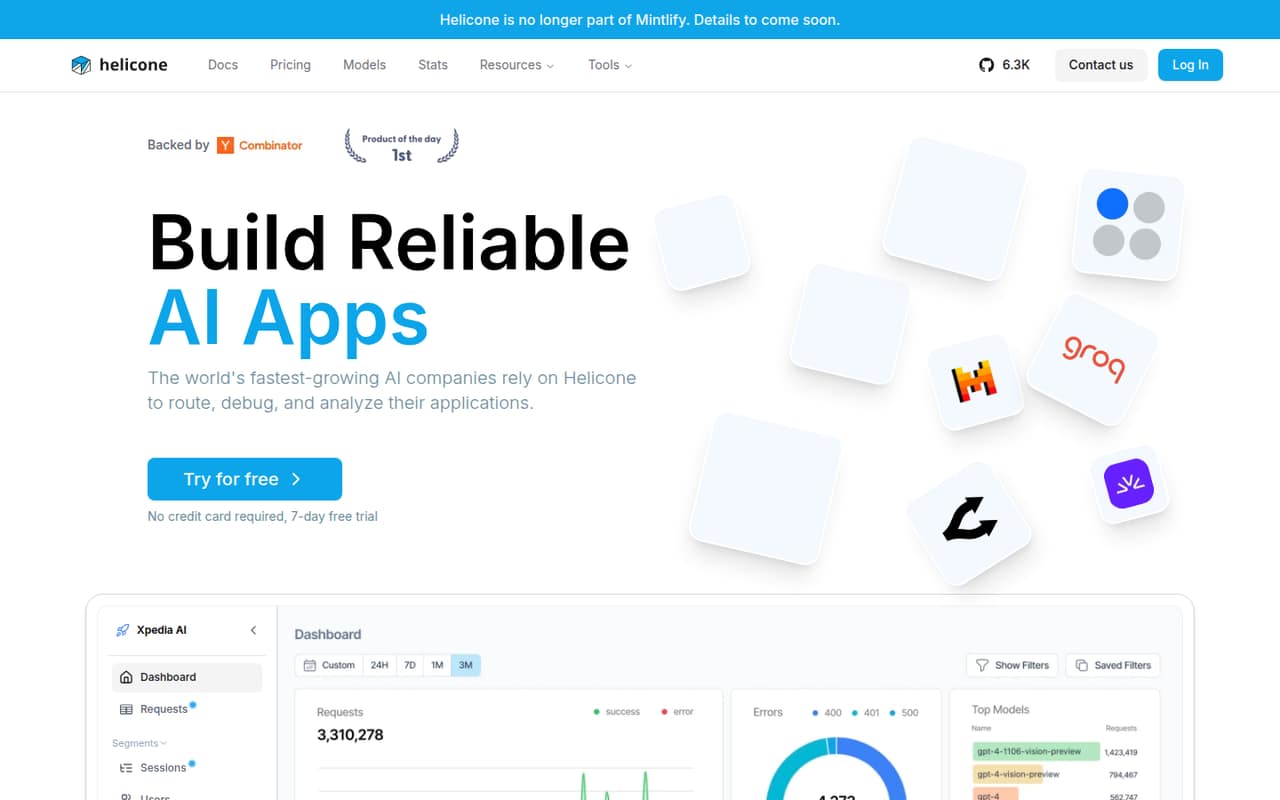
Helicone is a fit for teams that want LLM traffic routing alongside monitoring, tracing, and model cost tracking. It has a free tier and a listed $79 monthly team entry point. That gives a small team a clear paid starting figure, but not a confirmed total for several seats. Check whether the plan’s limits match your traffic and what changes when you exceed them.
What works
- Hobby includes 10,000 free requests
- OpenAI-compatible proxy or asynchronous logging
- One API key connects to 100+ models
What doesn't
- Hobby is limited to one seat
- Paid request and storage rates are unpublished
- Pro retention is one month
- Best for voice agents
 CovalCoval
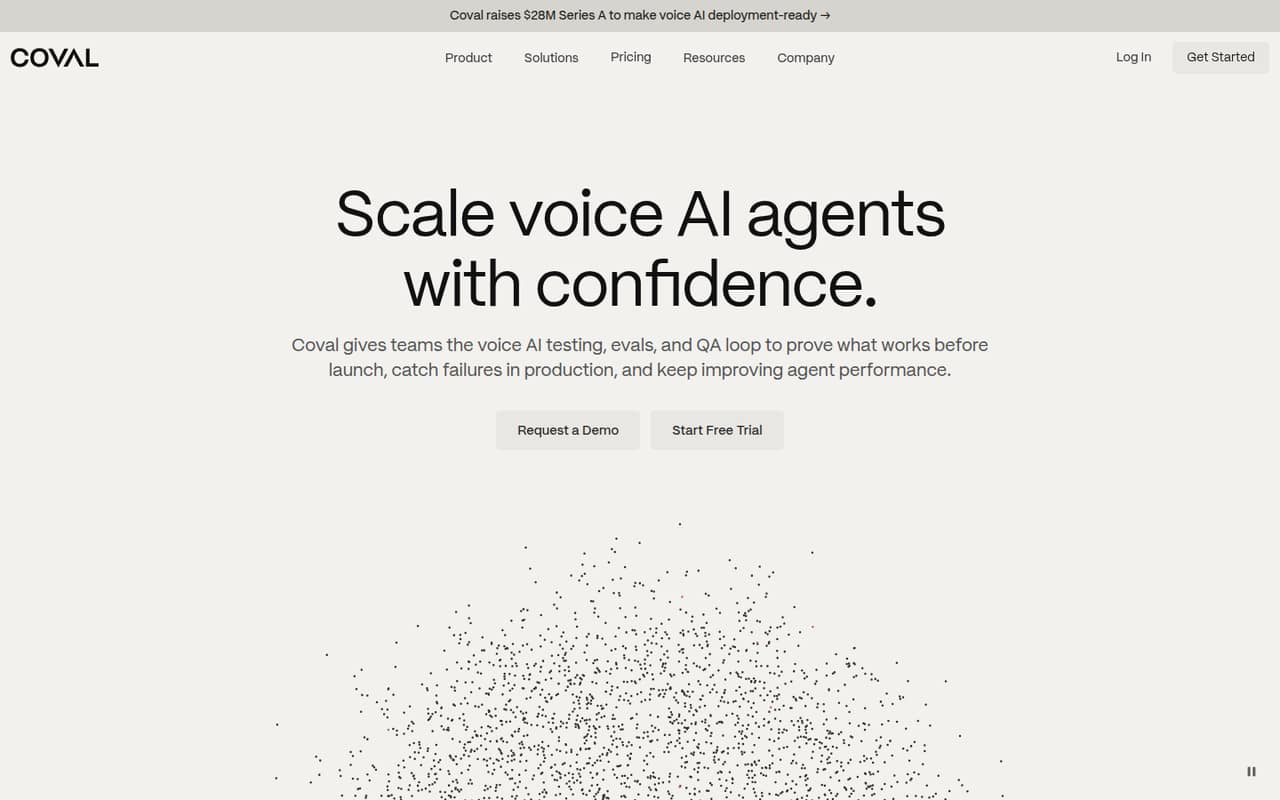
Coval focuses on voice AI testing before launch and production QA for agent calls, making it the most specialized pick here. Its listed starting point is $80, which may be a stretch for a small team without a clear need for voice-agent review. Ask what that price covers, whether it scales by usage or seats, and whether a free option is available.
What works
- Simulation, monitoring, human review, and regression testing in one product
- Starter includes unlimited seats
- Starter has one project and 100 simulation minutes monthly
What doesn't
- No free plan
- Starter includes only 100 simulation minutes monthly
- Starter overages cost $0.40 per simulation minute
03How we chose
We ranked these tools for a team of one to ten by weighing free-plan access, listed starting prices, setup effort, stated limits, and how directly each product fits production LLMs or agents. Self-hosting can keep software costs down, but it takes planning; an unpublished paid scale-up price makes budgeting harder. Vendor docs and Reddit sentiment are useful checks before buying, particularly for setup steps, plan limits, and recurring user concerns. We don’t treat a starting price as a multi-seat quote: confirm billing units and expected usage with the vendor.
04Start with the problem you need to see
Don’t buy a broad platform just because your team is building with AI. First decide what you need to observe: LLM traffic and costs, agent quality before release, GPU use, or voice-agent calls. These tools emphasize different needs. OpenLIT includes GPU tracking and a self-hosted free plan; Helicone combines routing, tracing, and cost tracking; HoneyHive focuses on agent evaluation and production quality; Coval targets voice AI testing and QA. If you only need one of those jobs, favor the product that names it clearly rather than paying for a broader workflow you may not use. Ask vendors to show which plan includes the specific monitoring and evaluation features you need, and check the docs for setup requirements before you connect production workloads.
05Price the real team, not the starting number
A listed starting price is a useful shortlist filter, not a budget. Agenta lists $29 and Helicone lists $79 per month, while Coval starts at $80; the figures do not establish what several seats or your expected usage will cost. OpenLIT’s free self-hosted plan avoids a listed software charge, but your team still needs to assess the work of running it. HoneyHive has a free entry point, but paid scaling costs are not published. Ask whether billing is per seat, usage, or a mix; what limits apply to the free plan; and what happens when you cross them. Then compare the likely total with your team’s capacity to manage setup and maintenance.
Questions people ask
Which AI observability platform has the best free plan?
OpenLIT is our free pick if your team can handle self-hosting; its free plan also includes GPU tracking. HoneyHive and Agenta have free plans too. Compare their stated limits and setup requirements before choosing, since a free entry point alone doesn’t tell you what paid scaling will cost.
What will a few seats cost?
The listed starting points are $29 for Agenta, $79 per month for Helicone, and $80 for Coval. Those figures don’t establish a total for several seats. Ask each vendor whether pricing is per seat, usage-based, or both, and request a quote for your expected team size.
Which tool is best for AI agents?
HoneyHive is aimed at small teams evaluating agent changes before release and tracking production quality and cost. Agenta is another option for teams automating recurring tasks, with Slack and self-hosting among its stated fits. Compare plan limits and setup needs against your workflow.
When should a small team move to a paid plan?
Consider paying when the free plan’s limits no longer fit your workload or your team needs capabilities not included in it. Before upgrading, ask the vendor how costs change with more seats or usage. For HoneyHive, paid scaling costs are not published, so request an estimate.