We may earn a commission if you buy through links on this page. It never changes a score or a ranking. How we make money
A small team may not need a full enterprise CMS. If you’re publishing a blog, Hashnode’s free plan is the easiest place to start, while Umbraco offers a free option for teams comfortable with .NET and self-hosting. Craft and MODX give teams more room to build, but add cost and setup work. For three Hashnode seats, the listed $5-per-seat plan works out to $15 a month. Acquia, Kentico, and Sitefinity may suit bigger needs, but their unpublished prices make them harder to budget for.
Quick picksThe shortlist
 HashnodeHashnodeBest for small teams · $5/mo
 Umbraco CMSUmbraco CMSBest free · €45/mo
 Craft CMSCraft CMSBest for custom sites · $279/mo
 MODXMODXBest for hosting control · $90/mo
 AcquiaAcquiaBest for Drupal teams · Custom
 KenticoKenticoBest for campaigns · Custom
 Progress SitefinityProgress SitefinityBest for enterprise CMS · Custom
01Compared at a glance
| Tool | Score | From | Free plan | Trial |
|---|---|---|---|---|
| HashnodeHashnode | 6.8 | $5/mo | Yes | — |
| Umbraco CMSUmbraco CMS | 6.8 | €45/mo | Yes | — |
| Craft CMSCraft CMS | 7.1 | $279/mo | Yes | — |
| MODXMODX | 6.8 | $90/mo | No | — |
| AcquiaAcquia | 4.6 | Custom | No | — |
| KenticoKentico | 5.9 | Custom | No | 14 days |
| Progress SitefinityProgress Sitefinity | 5.9 | Custom | No | 30 days |
02The picks, in detail
- Best for small teamsHashnodeHashnode
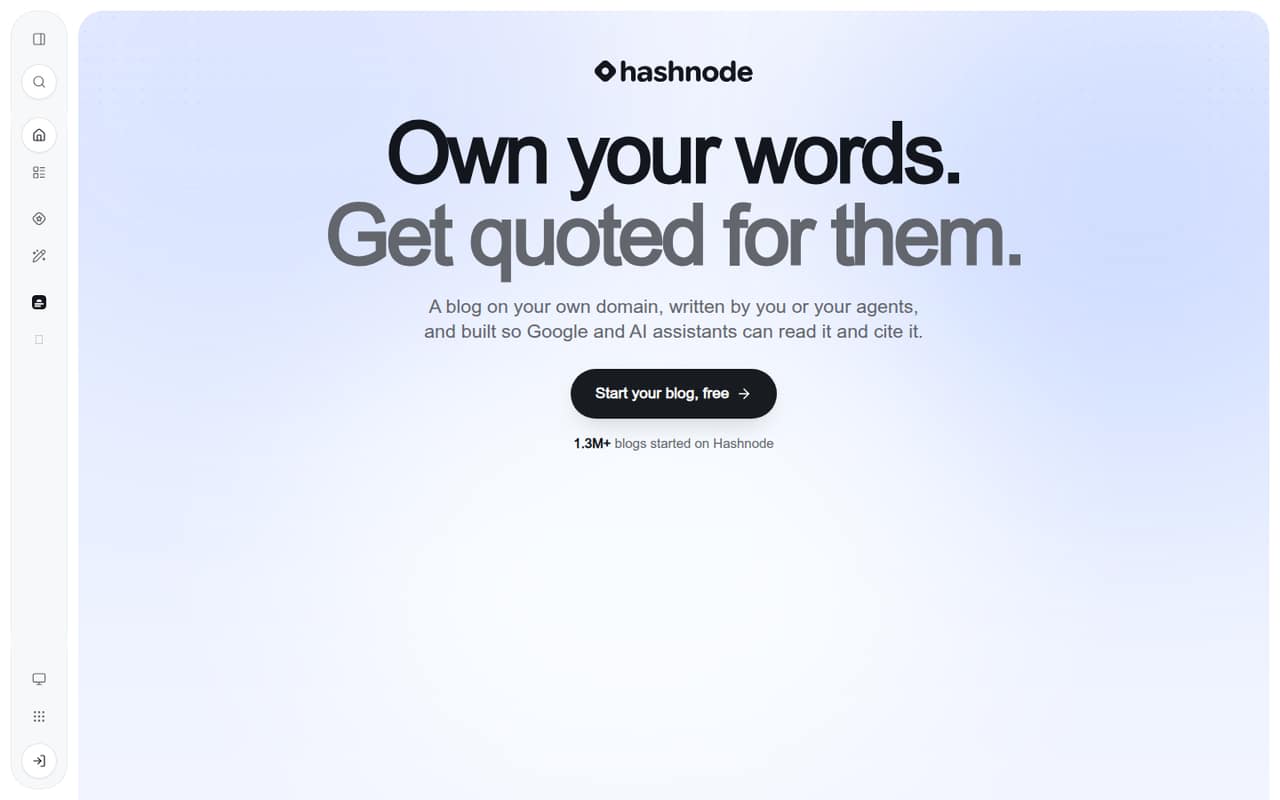
Hashnode earns our top spot for small teams that need a straightforward blog and want to keep the initial bill down. Its free plan covers a blog, and the pricing notes list custom domains and headless publishing at $5 per seat monthly. That comes to $15 for three seats or $25 for five, before any other charges.
What works
- Free plan includes unlimited posts
- Free analytics, comments and series
- Markdown supports code, LaTeX and Mermaid
What doesn't
- Custom domains start at $5 per seat monthly
- Headless GraphQL is listed with Pro, not Free
- Annual prices and discounts are not published
- Best freeUmbraco CMSUmbraco CMS
Umbraco is a strong free option if your team has .NET skills and is comfortable self-hosting. It also suits editors working with multilingual content. The listed starting price is $45, but the billing details aren’t specified here, so confirm the plan and what it includes before budgeting. Expect more of the building and upkeep to sit with your team.
What works
- Free self-hosted plan includes core CMS tools
- Headless APIs and webhooks are included
- Multilingual setup is included on Free
What doesn't
- Self-hosting puts hosting work on your team
- Pricing page does not list seat limits
- Many add-on prices are not published
- Best for custom sitesCraft CMSCraft CMS
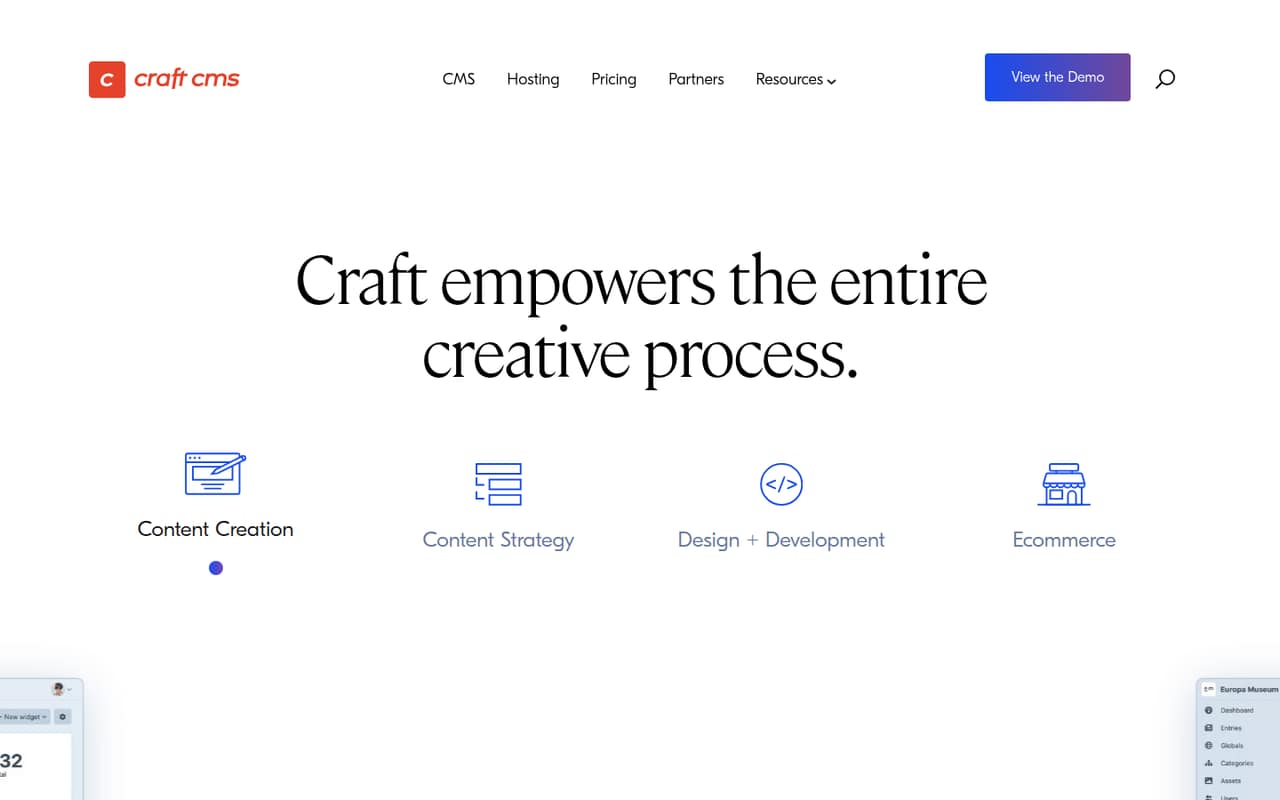
Craft is worth considering when you need a custom content site, localization, or already have Craft developers on the team. It has a free plan, with paid pricing starting at $279. The pricing basis and what a few seats cost should be confirmed with the vendor. Its developer flexibility is useful, but the setup and paid-seat budget may be a stretch for a tiny team.
What works
- Free Solo plan for one user
- Unlimited content types and entries on Solo
- Supports multi-site content and localization
What doesn't
- Solo allows only one user account
- Team costs $279 per project
- Team is capped at five accounts
- Best for hosting controlMODXMODX
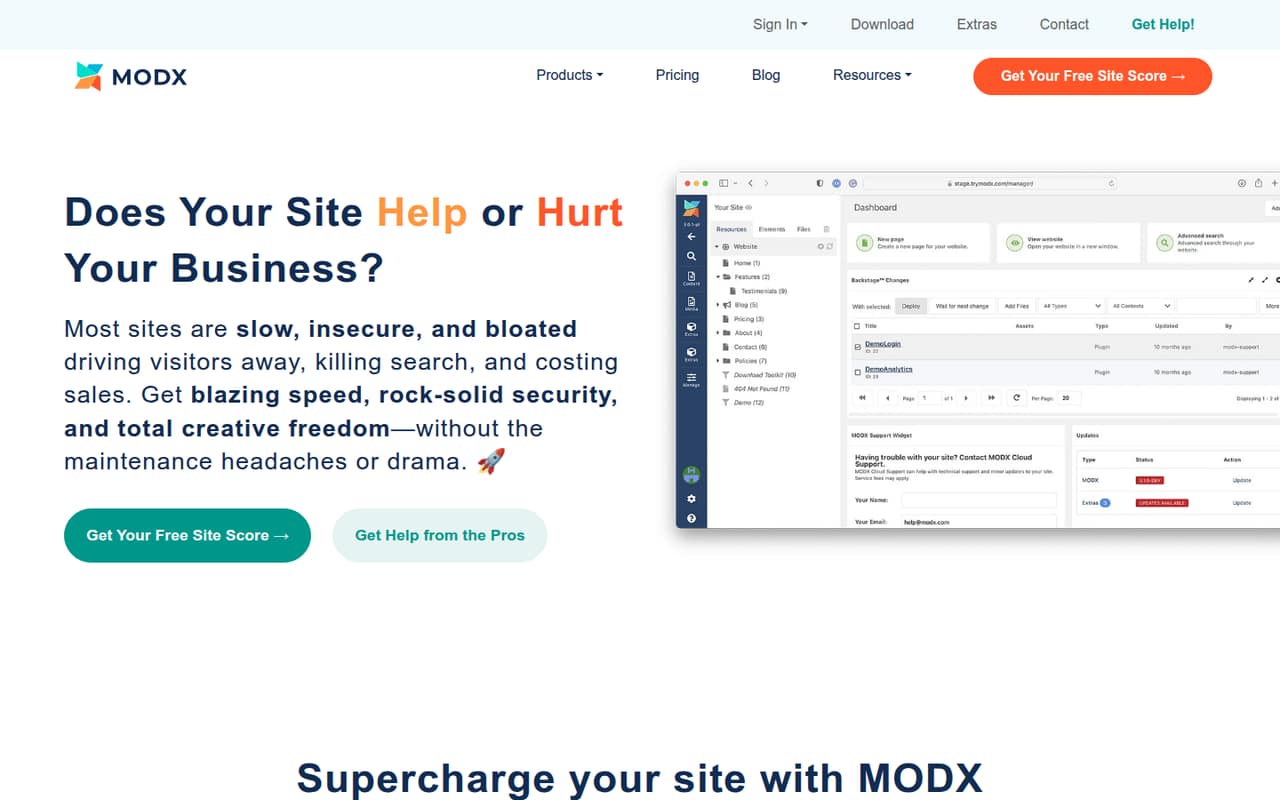
MODX suits teams building custom websites that want selective staging or managed hosting. Its managed hosting starts at $90 per month with annual billing, so plan for that commitment rather than assuming a free starting point. The creative control comes with more choices to make during setup; it is a better fit when someone on the team can own the site build.
What works
- Open-source CMS with flexible content controls
- Use your preferred markup, CSS, and JavaScript
- Selective staging helps keep live changes controlled
What doesn't
- No free plan or published free trial
- Cheapest listed hosting plan is $90/month
- Rates are billed annually; monthly prices are not listed
- Best for Drupal teamsAcquiaAcquia
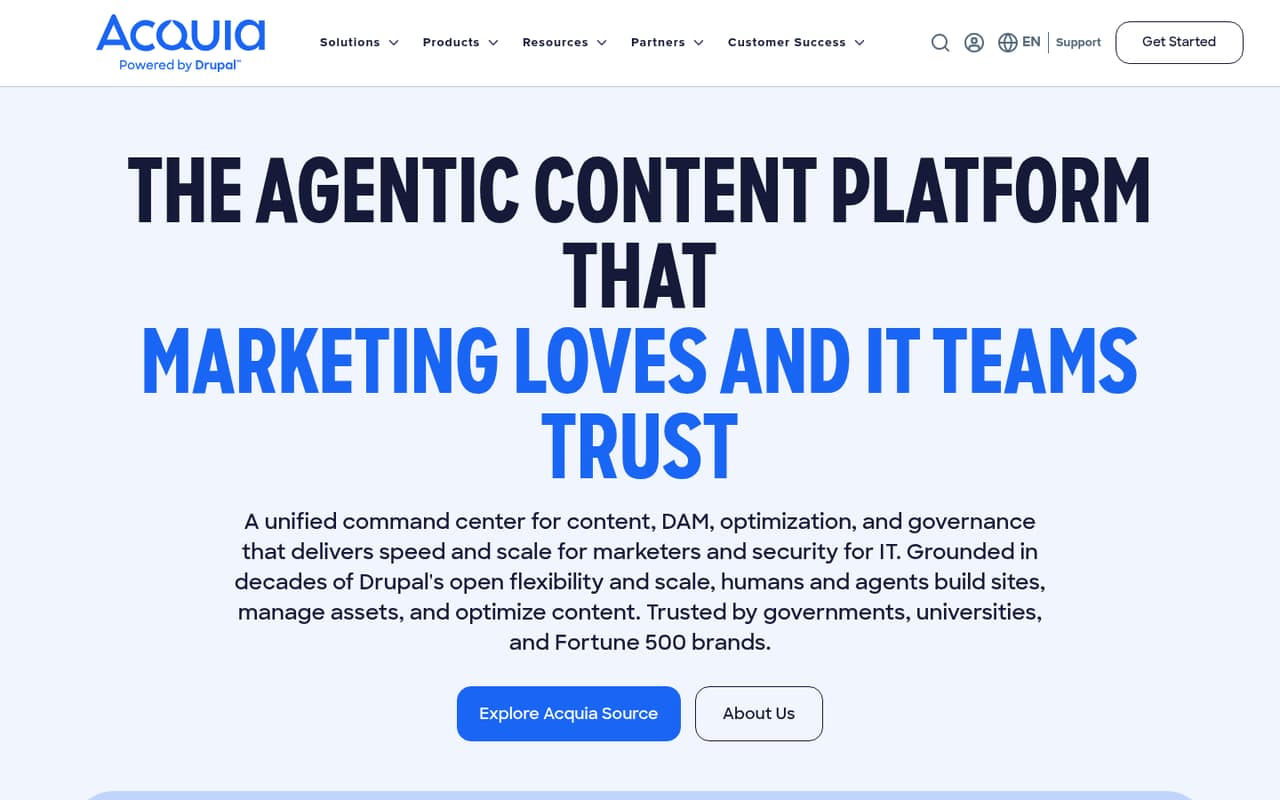
Acquia is the specialist choice for Drupal-focused marketing and IT teams, especially organizations that need content governance or managed Drupal hosting. For a team of one to ten, the main drawback is budgeting: Acquia doesn’t publish a starting price in the published pricing information. Ask for a quote based on your users, hosting needs, and required governance before committing time to evaluation.
What works
- Content management and assets share a workspace
- Governance features support brand-safe reviews
- AI workflows can build pages and content
What doesn't
- Starting price is custom-quoted
- No free plan is listed
- Monthly and annual terms are not published
- Best for campaignsKenticoKentico
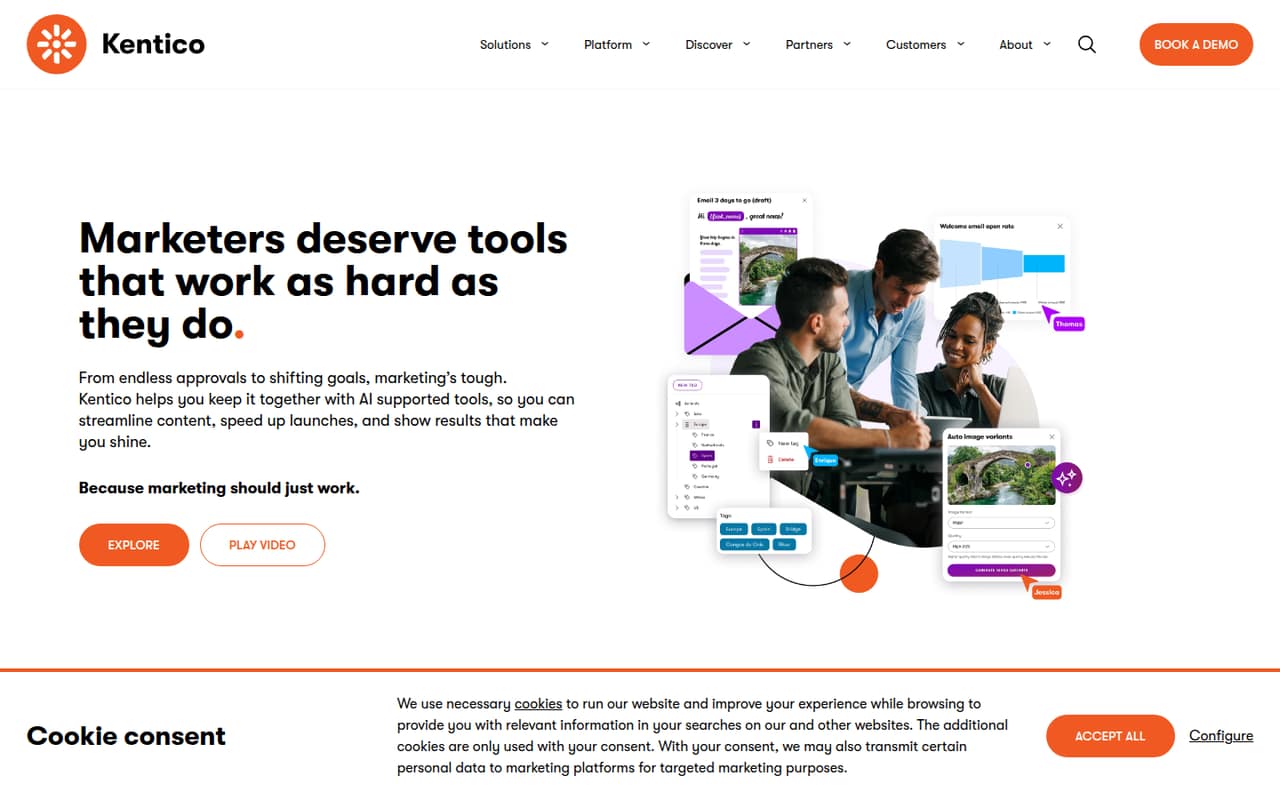
Kentico is aimed at teams publishing across channels and managing marketing campaigns, customer journeys, or multilingual content workflows. Those needs can justify a more involved buying process, but Kentico doesn’t publish a price for a few seats here and has no free plan listed. A small team should ask for a written quote and clarify which features are included.
What works
- Standard includes one web channel
- Advanced covers web, email, and headless channels
- No administrative-user limit on either plan
What doesn't
- No free plan
- Monthly and annual prices are not published
- Pricing is custom-quoted by channel
- Best for enterprise CMSProgress SitefinityProgress Sitefinity
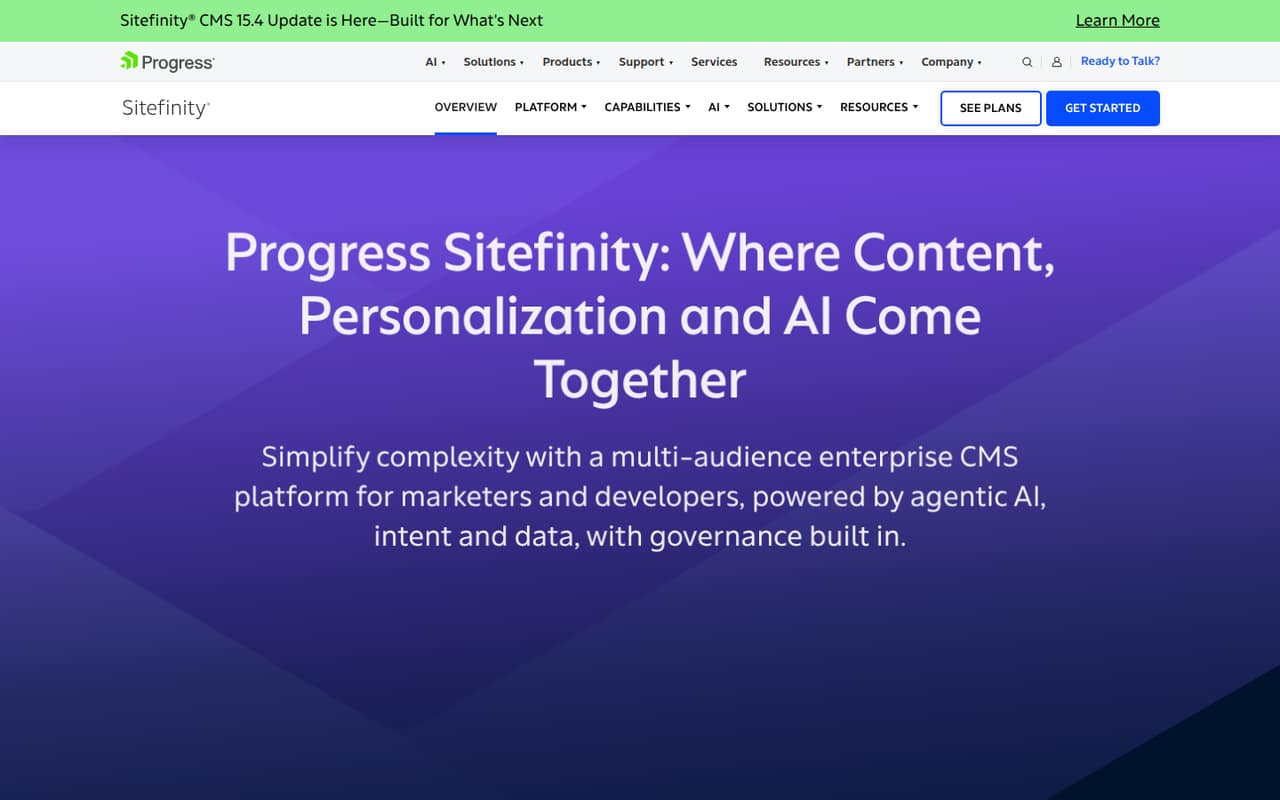
Progress Sitefinity is a fit for organizations with enterprise CMS needs, marketing and development teams, or a requirement for headless delivery. That scope may be more than a small team needs. The vendor doesn’t publish a price here, which makes it difficult to compare against a tightly controlled budget. Ask about the minimum package and the cost for your actual team size.
What works
- Structured content, components and built-in workflows
- Headless options include ASP.NET Core and Next.js
- Sitefinity DX lists 10 concurrent backend users
What doesn't
- No free plan
- Monthly and annual prices aren’t published
- Add-on and overage costs aren’t published
03How we chose
We ranked these tools for a team of one to ten, weighing whether a free plan can get a team started, what a few seats might cost, and how much building or hosting work the team may need to take on. We also considered published plan limits and pricing, product documentation, and Reddit sentiment as buying checks—not as a substitute for clear prices. We did not claim hands-on testing. Where a vendor doesn’t publish a price or billing basis, we call that out rather than guessing.
04How much should a small team budget?
Start by checking whether the free plan supports the way your team publishes. Hashnode offers a free blog, while Umbraco and Craft also list free plans. For custom domains and headless publishing, Hashnode’s listed price is $5 per seat monthly: three seats work out to $15 a month and five to $25. MODX managed hosting starts at $90 a month with annual billing. Craft starts at $279, but confirm the billing basis and seat costs with the vendor. Umbraco lists a $45 starting price, without a billing period specified here. Acquia, Kentico, and Progress Sitefinity don’t publish a small-team starting price in this comparison. Ask for a quote that spells out users, hosting, and the features you need, then compare the total—not just the entry price.
05How much setup work can your team handle?
A low subscription price doesn’t automatically mean low effort. Hashnode is positioned for developers starting a blog and writers who want Markdown, making it a sensible first stop if that matches your publishing needs. Umbraco is a better fit when you have .NET skills and are comfortable self-hosting; its free option still leaves more building and management to your team. Craft calls for Craft developers, while MODX is aimed at custom website builds. Those choices can make sense if you have someone who can own setup and ongoing decisions. Acquia, Kentico, and Sitefinity target broader Drupal, multichannel marketing, or enterprise CMS needs. Before choosing, name the person who will configure and maintain the system, and ask the vendor what help or services are included.
Questions people ask
Which content management software has a free plan?
Hashnode, Umbraco, and Craft list free plans or options. Hashnode is the clearest starting point for a blog. Umbraco’s free option is aimed at teams comfortable with .NET and self-hosting. Check each vendor’s current plan details before relying on a specific feature.
What does Hashnode cost for a small team?
The listed price for custom domains and headless publishing starts at $5 per seat monthly. That works out to $15 a month for three seats or $25 for five. Hashnode also offers a free blog plan, so confirm which features your team needs before upgrading.
Which CMS is best for a team without developers?
Hashnode is the most approachable pick in this list for a team starting a blog, particularly if writers want Markdown. Umbraco is specifically suited to .NET teams, and Craft and MODX are for custom builds. Ask vendors what setup and ongoing technical work your intended use will require.
When should a small team consider an enterprise CMS?
Consider one when you need capabilities such as content governance, multichannel publishing, campaign and journey management, or headless delivery. Acquia, Kentico, and Progress Sitefinity target some of those needs. Since they don’t publish small-team prices here, request a quote and compare it with the cost of a simpler tool.