We may earn a commission if you buy through links on this page. It never changes a score or a ranking. How we make money
A small team may not need a dedicated inference platform yet: a free API or local model runner can be enough to test an AI feature. GroqCloud, Ollama, and Together AI are appealing starting points because the listings include free plans. For hosted production models, compare Baseten and Replicate, but keep usage costs in view. These services generally charge for usage or compute, not seats, so a few teammates can still create a variable bill. If you need to manage GPU setup yourself, Runpod or Lambda Cloud may fit better.
Quick picksThe shortlist
 GroqCloudGroqCloudBest for small teams · Free
 OllamaOllamaBest for local models · $16.67/mo
 Together AITogether AIBest free model choice · Free
 BasetenBasetenBest for production · Free
 SiliconFlowSiliconFlowBest for model variety · Custom
 ReplicateReplicateBest for hosted models · Free
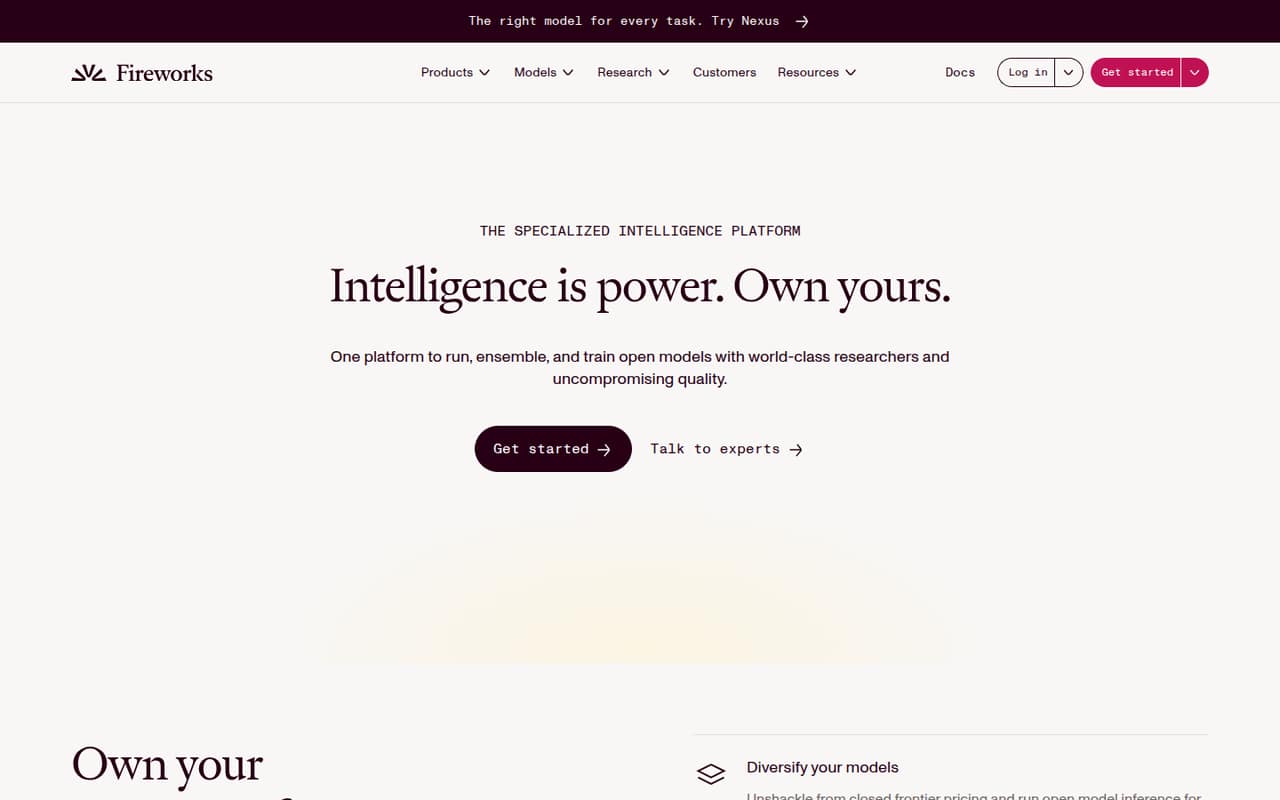
 Fireworks AIFireworks AIBest low listed price · $8/mo
 DeepInfraDeepInfraBest for model testing · Custom
 fal.aifal.aiBest for media APIs · Custom
 RunpodRunpodBest for GPU flexibility · $0.27/mo
 Lambda CloudLambda CloudBest for managed clusters · Custom
 SaladCloudSaladCloudBest for Docker GPUs · $43.80/mo
 Cerebras InferenceCerebras InferenceBest for tailored capacity · Custom
 Novita AINovita AIBest for API experiments · Free
 HyperbolicHyperbolicBest free GPU exploration · Free
 SambaNova CloudSambaNova CloudBest for model access · Free
01Compared at a glance
| Tool | Score | From | Free plan | Trial |
|---|---|---|---|---|
| GroqCloudGroqCloud | 7.5 | Free | Yes | — |
| OllamaOllama | 7.2 | $16.67/mo | Yes | — |
| Together AITogether AI | 7.2 | Free | Yes | — |
| BasetenBaseten | 7.4 | Free | Yes | Yes |
| SiliconFlowSiliconFlow | 7.2 | Custom | No | — |
| ReplicateReplicate | 6.8 | Free | Yes | — |
| Fireworks AIFireworks AI | 6.8 | $8/mo | No | — |
| DeepInfraDeepInfra | 6.8 | Custom | No | — |
| fal.aifal.ai | 6.8 | Custom | No | — |
| RunpodRunpod | 6.5 | $0.27/mo | No | — |
| Lambda CloudLambda Cloud | 6.5 | Custom | No | — |
| SaladCloudSaladCloud | 6.5 | $43.80/mo | No | — |
| Cerebras InferenceCerebras Inference | 6.5 | Custom | No | 30 days |
| Novita AINovita AI | 6.5 | Free | Yes | — |
| HyperbolicHyperbolic | 6.0 | Free | Yes | — |
| SambaNova CloudSambaNova Cloud | 6.4 | Free | Yes | — |
02The picks, in detail
- Best for small teamsGroqCloudGroqCloud
GroqCloud is our first pick for a small team prototyping AI features: the listing includes a free plan, and its API pricing is usage-based rather than seat-based. That keeps the starting commitment low. It suits developers comfortable with APIs and open-weight model inference; budget for request usage as your feature gains traffic.
What works
- Free plan requires no credit card
- OpenAI-compatible REST API
- Developer has no base subscription charge
What doesn't
- Developer usage charges are metered
- Free plan has request and token limits
- Annual-billing prices are not published

- Best for local modelsOllamaOllama
Ollama is a practical free starting point for teams experimenting with local AI and open models. Its listed starting price is $16.67, but the billing basis for that figure isn’t specified here, so confirm what it covers before budgeting. It is a strong fit for a small app needing a local API; check cloud and team costs before scaling.
What works
- Run models locally with no subscription
- Command-line tools manage model downloads and runs
- Local API supports chat, completions, and embeddings
What doesn't
- Cloud usage-credit prices are not published
- Team plan costs $500 monthly
- Pro annual billing requires $200 upfront
- Best free model choiceTogether AITogether AI
Together AI pairs a listed free plan with pay-per-use pricing and a focus on open-source models. That makes it a reasonable place for a small team to try different inference workloads without buying seats up front. It also offers GPU compute, but usage—not headcount—is the budget question to revisit as demand changes.
What works
- Serverless inference avoids managing model infrastructure
- Batch inference supports up to 30 billion tokens per model
- Provisioned throughput includes a 99% uptime SLA
What doesn't
- Free-plan limits are not published
- No fixed monthly or annual subscription price
- Some GPU rates require contacting sales
- Best for productionBasetenBaseten
Baseten suits teams serving models in production or needing dedicated GPU inference and model orchestration. A free plan is listed, while the paid starting price is not published, so ask the vendor for a usage estimate before committing. It may be more platform than a tiny team needs for a prototype, but is worth comparing as production requirements grow.
What works
- No base platform fee on Basic
- Serves open-source and frontier models
- Dedicated deployments support custom architectures
What doesn't
- Inference and training are usage-billed
- Seat and usage limits are not published
- Paid production tiers require custom quotes

- Best for model varietySiliconFlowSiliconFlow
SiliconFlow is a fit for API-building teams that want multiple model types and variable, pay-per-use inference. Its listed starting price is not published, so estimate costs from your expected usage rather than counting seats. It can be a useful shortlist option when model choice matters, but ask the vendor for pricing examples for your likely request volume.
What works
- One OpenAI-compatible API for models
- Serverless inference billed by usage
- Fine-tuning and GPU options are listed
What doesn't
- No free plan is listed
- No fixed monthly subscription price is listed
- Costs vary with model and usage
- Best for hosted modelsReplicateReplicate
Replicate is aimed at small teams building AI features and trying hosted models, with a free plan listed and usage-based costs. That can keep early exploration accessible, though the paid starting price is not published. Support concerns are also worth checking before relying on it for a production feature; estimate spend against your expected inference volume.
What works
- Run thousands of community-published models through an API
- Supports image, speech, music, video, and language tasks
- Fine-tune models using your own data
What doesn't
- Free-plan allowance and limits are not published
- No fixed monthly or annual plan
- Model and hardware charges vary by workload
- Best low listed priceFireworks AIFireworks AI
Fireworks AI is worth considering for small teams building with open models, especially when traffic changes over time. Its listed starting price is $8, but the billing basis and what that amount includes aren’t specified, so verify those details. The platform also supports custom-model training; check usage costs and security requirements before choosing it.
What works
- Serverless input starts at $0.05 per 1M tokens
- Cached input is half price or less
- Batch usage is 50% off input and output
What doesn't
- No general free plan or free trial listed
- Platform and training costs vary with usage
- Annual Nexus prices are not published
- Best for model testingDeepInfraDeepInfra
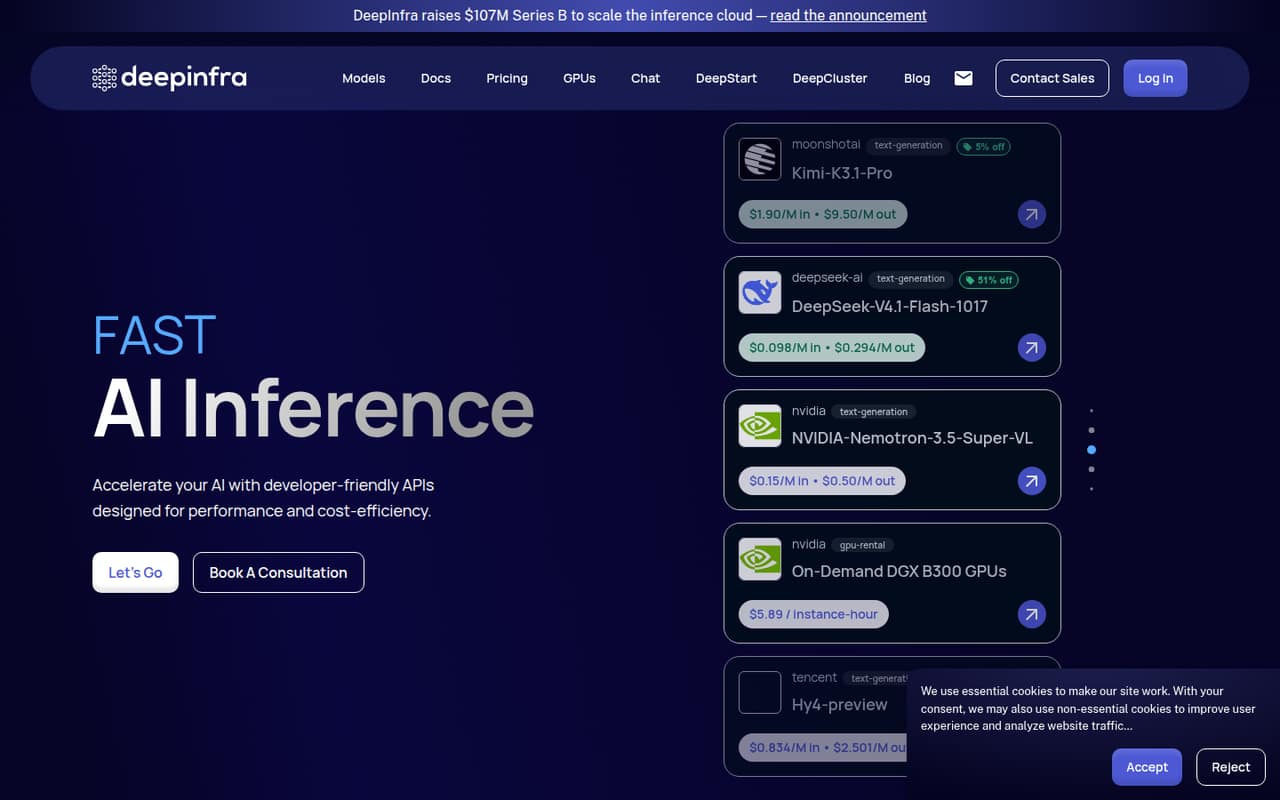
DeepInfra offers a broad model catalog and pay-as-you-go billing, which suits developers comparing models or handling variable inference demand. A free plan is not listed, and the starting price is not published. That makes it harder to set a firm starter budget. Ask about expected costs and privacy requirements before putting it into a small-team workflow.
What works
- Homepage lists more than 100 models
- Pay-as-you-go, with no long-term contracts
- Some models have per-token rates
What doesn't
- No free plan is listed
- Most models bill by inference time
- No fixed monthly or annual price
- Best for media APIsfal.aifal.ai
fal.ai is a match for small teams building AI media products that need multiple model types or custom GPU workloads. Its pricing is based on use rather than seats, but a starting price and free plan are not listed. Ask for an estimate tied to your expected workload; a broad platform can be unnecessary if you only need one simple API.
What works
- One API covers 1,500+ generative media models
- Supports image, video, audio, 3D, and world models
- Offers serverless inference and GPU compute
What doesn't
- No free plan or free trial is listed
- No fixed monthly or annual price is listed
- Model API rates vary by output and model
- Best for GPU flexibilityRunpodRunpod
Runpod rents GPUs by the hour and offers several GPU types, making it useful for occasional GPU-heavy inference or workloads that scale with demand. Its listed starting price is $0.27; confirm the applicable GPU and billing details before forecasting spend. The trade-off is setup: teams should expect to manage configuration, storage, and a variable bill.
What works
- Pods start at $0.27 per GPU hour on Secure Cloud
- Serverless endpoints can scale to zero when idle
- More than 30 GPU SKUs across 31 regions
What doesn't
- No free plan or free trial is listed
- GPU and storage charges make bills usage-dependent
- Some Reddit users report setup and reliability problems
- Best for managed clustersLambda CloudLambda Cloud
Lambda Cloud is aimed at AI teams running GPU workloads, including training and inference, and teams that need managed clusters. There is no free plan, and the starting price is not published. GPU hours can add up, so it is a harder first choice for a budget-conscious team with light or uncertain demand.
What works
- Self-serve GPU options start at $0.69 per GPU-hour
- Offers both individual GPU instances and production clusters
- Managed clusters reduce cluster-management work
What doesn't
- No free plan is listed
- No trial terms are published
- GPU-hour billing makes monthly spend workload-dependent
- Best for Docker GPUsSaladCloudSaladCloud
SaladCloud is designed for GPU inference and Docker workloads, and its listed starting price is $43.80. The billing basis is not specified, so ask what workload that price supports and how usage changes the bill. It is worth comparing for GPU-heavy jobs, but a team seeking a free, simple starting point may want to look elsewhere first.
What works
- OpenAI-compatible endpoint for open-weight models
- Container Engine schedules and reallocates Docker workloads
- On-demand and reserved GPU capacity
What doesn't
- No free plan or free trial is listed
- Costs vary by GPU and usage level
- Annual billing is not shown
- Best for tailored capacityCerebras InferenceCerebras Inference
Cerebras Inference offers OpenAI compatibility and production options, with tailored capacity and in-region requirements among its use cases. There is no free plan, and production pricing requires a quote. That makes it less straightforward for a small team trying to cap early costs; ask about minimum commitments and capacity options before moving a prototype.
What works
- OpenAI API compatibility can ease integration
- Public endpoint offers regularly updated open models
- Cloud, dedicated, and on-prem deployment options
What doesn't
- No free plan
- Developer is not intended for production
- Enterprise pricing is custom
- Best for API experimentsNovita AINovita AI
Novita AI combines model APIs with GPU infrastructure and is suited to teams experimenting with model choice. A free plan is listed, but the paid starting price is not published and token costs vary. That flexibility can help during exploration, though a small team should estimate likely usage and confirm pricing for the specific models it plans to use.
What works
- Homepage lists 200+ models for serverless API use
- API pricing is billed by the token
- Apodex 1.1 Mini lists free input and output
What doesn't
- GPU prices aren't published
- Dedicated endpoint rates aren't published
- Agent Sandbox pricing isn't published
- Best free GPU explorationHyperbolicHyperbolic
Hyperbolic lists a free plan and a $0 starting price, which gives a small team a low-commitment way to explore GPU clusters and inference APIs. The catch is budget predictability: compute prices and team costs are hard to forecast. Confirm which free access applies to your workload and ask how paid usage is metered.
What works
- On-demand and reserved GPU capacity
- H100, H200, and B200 GPU access
- OpenAI-compatible inference API
What doesn't
- Free plan has no GPU instances
- Credit prices are not published
- No per-seat price is listed
- Best for model accessSambaNova CloudSambaNova Cloud
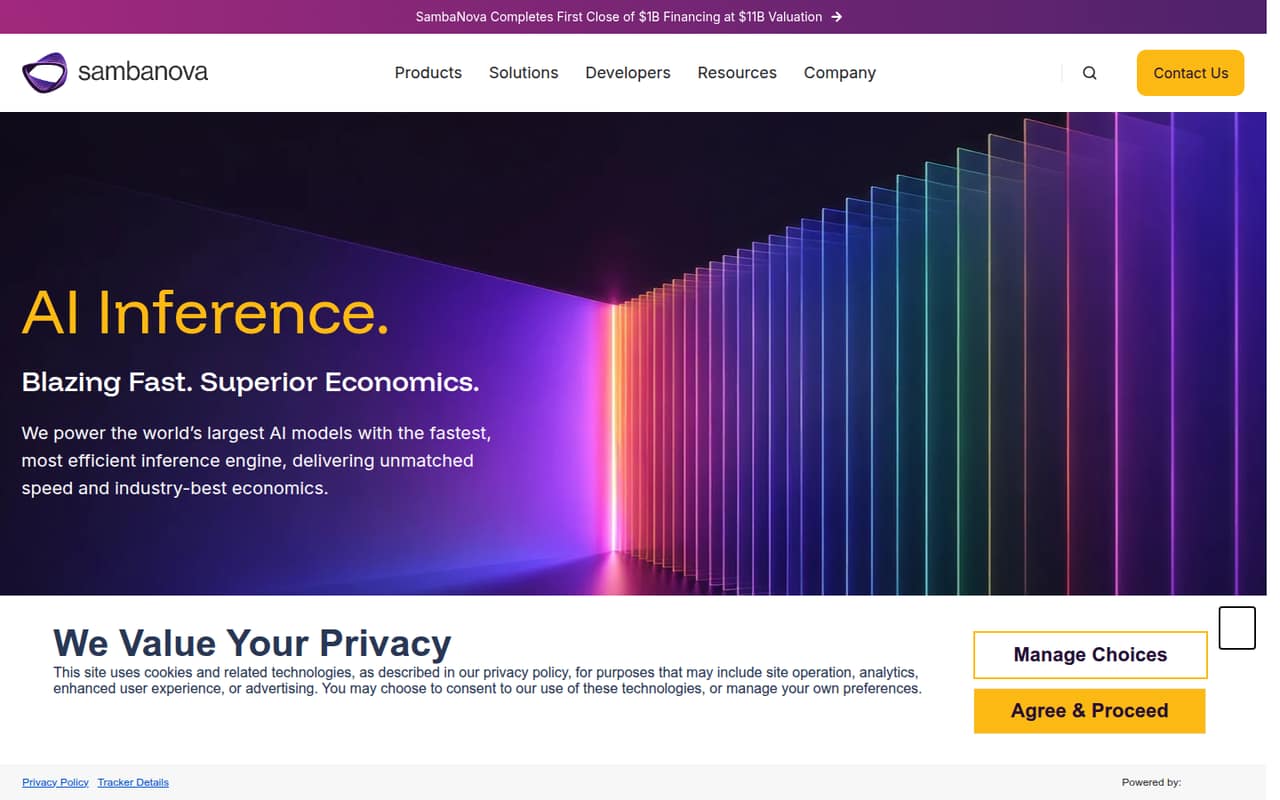
SambaNova Cloud lists a free plan and offers model access for developers building AI applications. Its paid starting price is not published, and unclear spend and setup effort make it harder to choose on a tight budget. It may suit teams comfortable with usage billing, but ask for a realistic cost estimate before depending on it.
What works
- OpenAI-compatible APIs can help port applications
- Developer includes Production and Preview model access
- SambaStack switches between multiple models
What doesn't
- First Free-plan requests require purchased credits
- No published fixed starting price
- Token rates vary by model and input or output
03How we chose
We ranked these platforms for teams of 1–10, not for large ML organizations. We weighed whether a free plan is listed, the published starting price, whether pricing appears usage- or compute-based rather than seat-based, and how much setup the use case implies. Where a vendor does not publish a starting price or billing basis, we favor asking for a workload-specific estimate over guessing what a few seats will cost. We did not run tests or benchmarks.
04How should a small team compare inference costs?
Start by separating seat costs from workload costs. Most of these listings describe usage, tokens, or GPU compute rather than a per-seat subscription, so the bill can rise even if your headcount stays at five. Check whether a free plan is actually listed, what it covers, and what triggers paid usage. For a published starting price, confirm the billing unit and included capacity; a number without that context is not a budget. For vendors without a published starting price, ask for an estimate based on your expected request volume, model choices, and traffic peaks. Compare the same workload across vendors, and leave room for variable demand. If you are still validating an idea, a free API or local runner may be enough. Move to a paid production platform when you know what it needs to serve.
05When is GPU infrastructure worth the setup?
Choose a managed inference API when your priority is trying models or adding a feature without taking on GPU operations. Choose GPU infrastructure when you specifically need GPU compute, several GPU types, Docker workloads, or more control over deployments. That extra control can bring configuration, storage, and variable compute bills: Runpod explicitly expects teams to manage setup and storage, while Lambda Cloud focuses on managed clusters. Ask who handles deployment, scaling, storage, and support before signing up. Also check whether your preferred model and deployment pattern are supported, and whether production capacity or in-region requirements need a quote. A small team should not pay for flexibility it will not use. Start with the lightest option that serves the workload, then revisit the decision when traffic, control needs, or operational requirements change.
Questions people ask
Do small teams need an AI inference platform?
Not always. A team testing an idea may be able to start with a free API plan or a local model runner. A dedicated platform becomes more useful when you need hosted models, GPU compute, production capacity, or more control over deployment and scaling.
Which AI inference platforms list a free plan?
The listings include free plans for GroqCloud, Ollama, Together AI, Replicate, Baseten, Novita AI, Hyperbolic, and SambaNova Cloud. Check each vendor’s terms and usage limits before relying on free access for a production workload.
Are inference platforms priced per seat?
Many options here are described as usage-based, pay-per-use, token-priced, or billed for GPU compute rather than by seat. A few teammates can share the platform, but the bill may change with requests, tokens, or compute time. Confirm each vendor’s billing unit.
When should a team move from an API to GPUs?
Consider GPU infrastructure when the workload specifically needs GPU compute, custom deployment, or more control than a managed model API provides. Compare the added setup and storage work with your team’s capacity, and get a workload-specific cost estimate before committing.