We may earn a commission if you buy through links on this page. It never changes a score or a ranking. How we make money
Most teams of 1–10 need an API tool only when they’re building or troubleshooting APIs regularly. For broad API work, Yaak is our first pick: it supports several protocols and starts at $6.58, though its free-plan limits are unclear. For quick webhook checks, Webhook.site is easier to try without an account. Hookdeck is a better fit when shared webhook access matters. These starting prices aren’t a quote for your whole team; per-seat totals and free-plan limits are worth confirming before you commit.
Quick picksThe shortlist
 YaakYaakBest overall · $6.58/mo
 Webhook.siteWebhook.siteBest for quick tests · $7.50/mo
 HookdeckHookdeckBest for shared webhooks · $39/mo
 Apollo GraphOSApollo GraphOSBest for API-heavy teams · $5/mo
 DreamFactoryDreamFactoryBest for governance · $1,500/mo
01Compared at a glance
| Tool | Score | From | Free plan | Trial |
|---|---|---|---|---|
| YaakYaak | 7.3 | $6.58/mo | Yes | 30 days |
| Webhook.siteWebhook.site | 7.6 | $7.50/mo | Yes | — |
| HookdeckHookdeck | 7.3 | $39/mo | Yes | 14 days |
| Apollo GraphOSApollo GraphOS | 6.8 | $5/mo | Yes | — |
| DreamFactoryDreamFactory | 6.2 | $1,500/mo | Yes | — |
02The picks, in detail
- Best overallYaakYaak
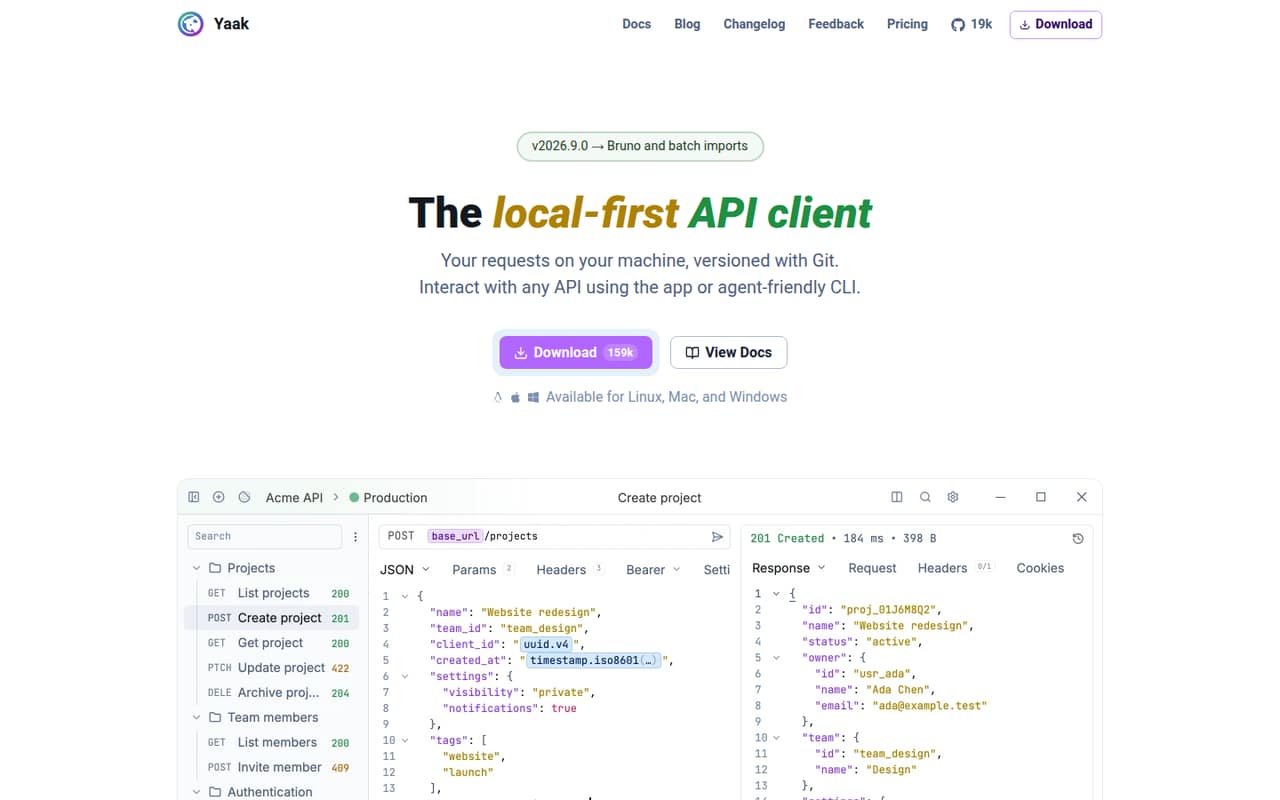
Yaak fits teams working across several API protocols and offers local workspaces plus request sharing through Git. The listing says it has a free plan and starts at $6.58, with annual team billing. Its free-plan limits aren’t clear, and the starting price doesn’t tell you what a few seats will cost. Check both before standardizing on it.
What works
- Supports HTTP, GraphQL, gRPC, WebSocket and SSE
- Work can stay local without an account
- Git workflows include diffs and sharing
What doesn't
- Free-plan limits and inclusions aren’t published
- Paid licenses are billed annually, not monthly
- Business costs $149 per user per year
- Best for quick testsWebhook.siteWebhook.site
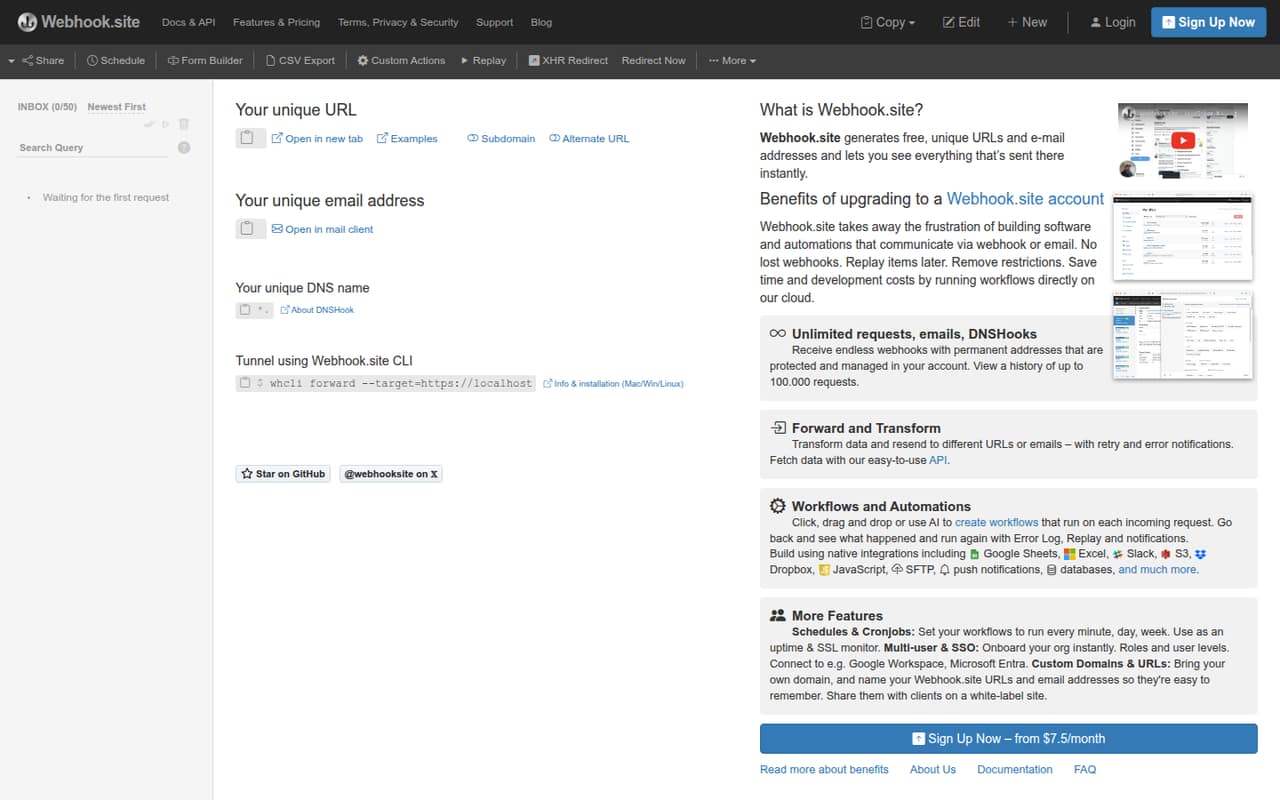
Webhook.site is a practical pick for inspecting incoming webhooks, email, and DNS traffic; the listing says you can run quick tests without an account. It has a free plan and starts at $7.50. The catch for a small team is shared access: confirm how it works on the paid plan before relying on one workspace for everyone.
What works
- Capture requests without signing up
- Inspect headers, query strings, and bodies
- Capture email and DNS activity
What doesn't
- Free URLs expire after one week
- Free request storage stops at 50
- Basic and Pro user allowances aren't listed
- Best for shared webhooksHookdeckHookdeck
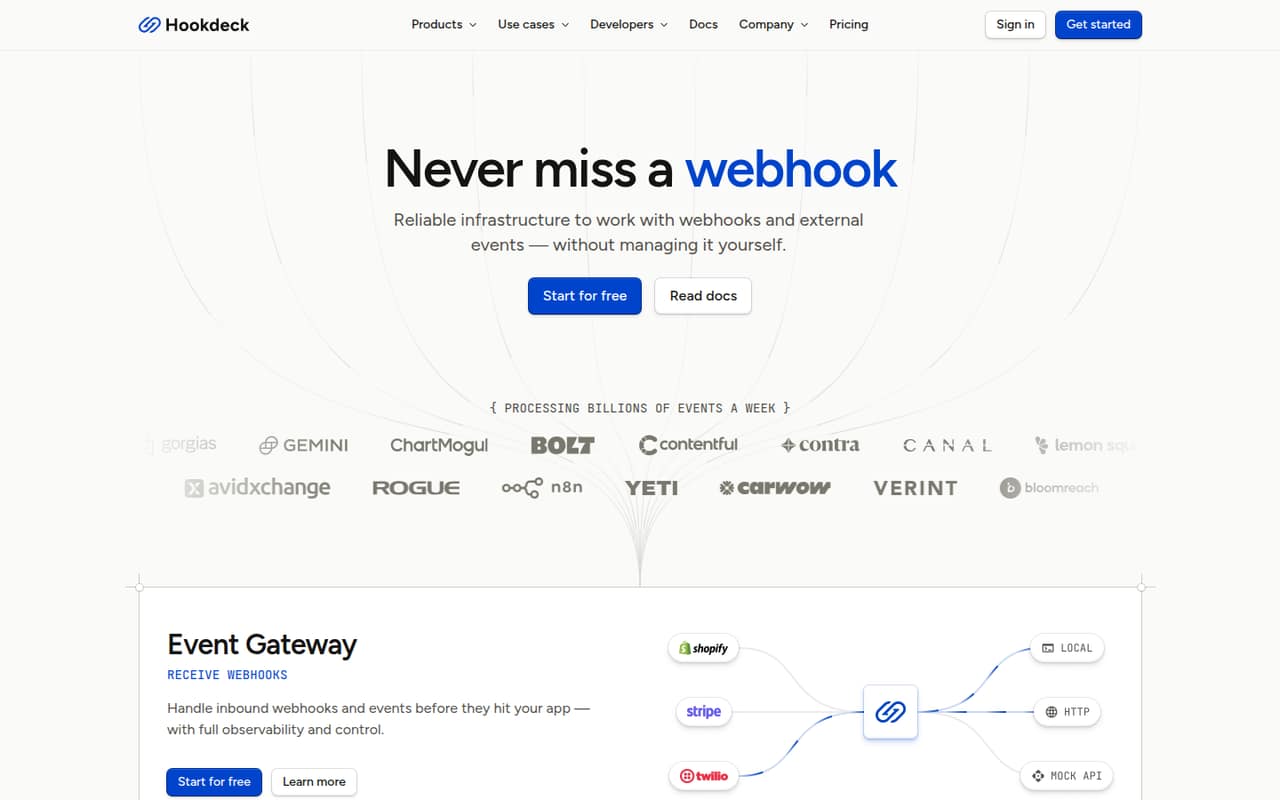
Hookdeck suits teams handling inbound webhooks that need shared access or local debugging. Its free tier is described as useful, and the listing gives a $39 starting price with clear upgrade costs. That makes it easier to compare than a plan with no stated entry price, but ask whether the listed price covers the seats and usage your team needs.
What works
- Free Developer plan includes 10,000 monthly events
- Team plan includes unlimited users
- Routing, queues, filtering, and rate control
What doesn't
- Developer plan is limited to one user
- Developer retention is only three days
- Extra-event pricing is inconsistent across the page
- Best for API-heavy teamsApollo GraphOSApollo GraphOS
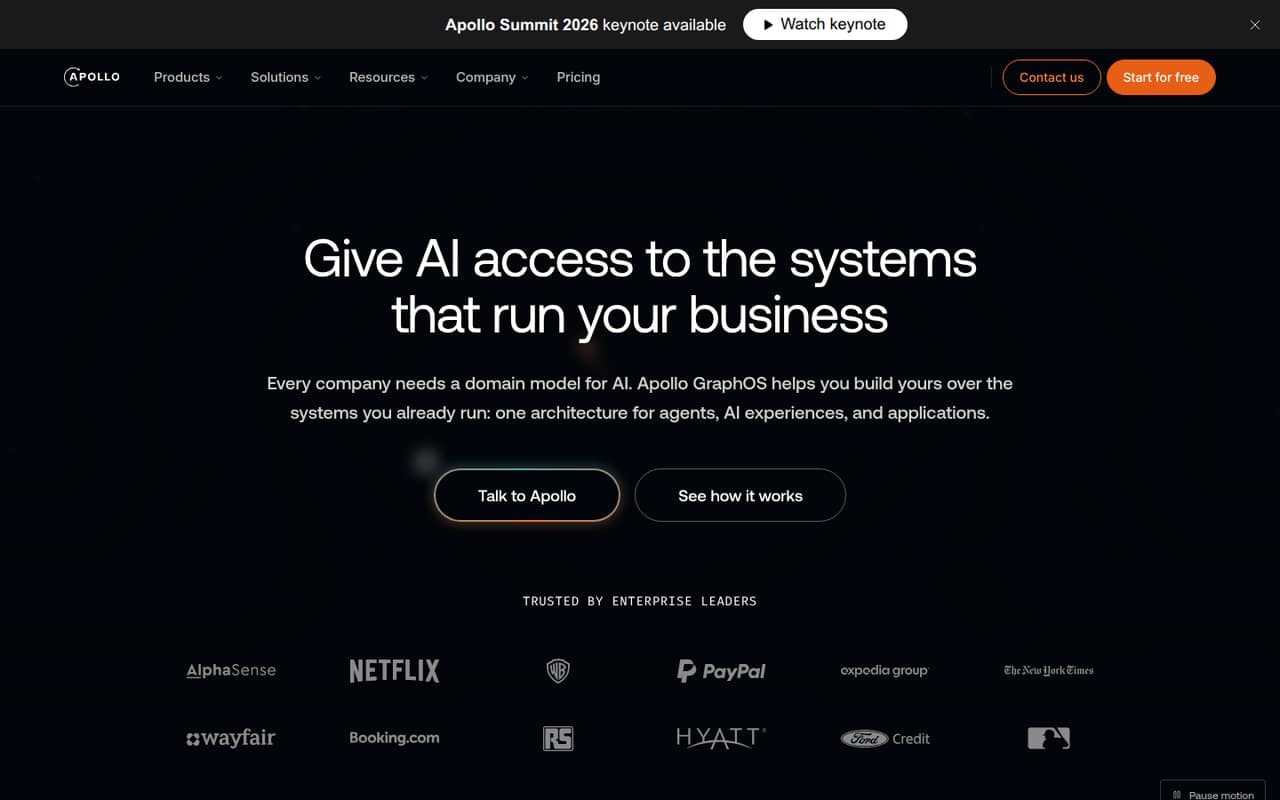
Apollo GraphOS is worth a look if your team is unifying multiple business APIs or building agent-ready APIs. It has a free plan and starts at $5, but the fit is narrower than a general API client: it’s less compelling if all you need is a simple API gateway. Confirm which plan matches your production traffic before choosing.
What works
- Free plan covers up to three developers
- Connects existing APIs in a shared graph
- Access policies apply across services
What doesn't
- Developer costs depend on request volume
- Some features are metered separately
- Free Router is limited to 60 requests per minute
- Best for governanceDreamFactoryDreamFactory
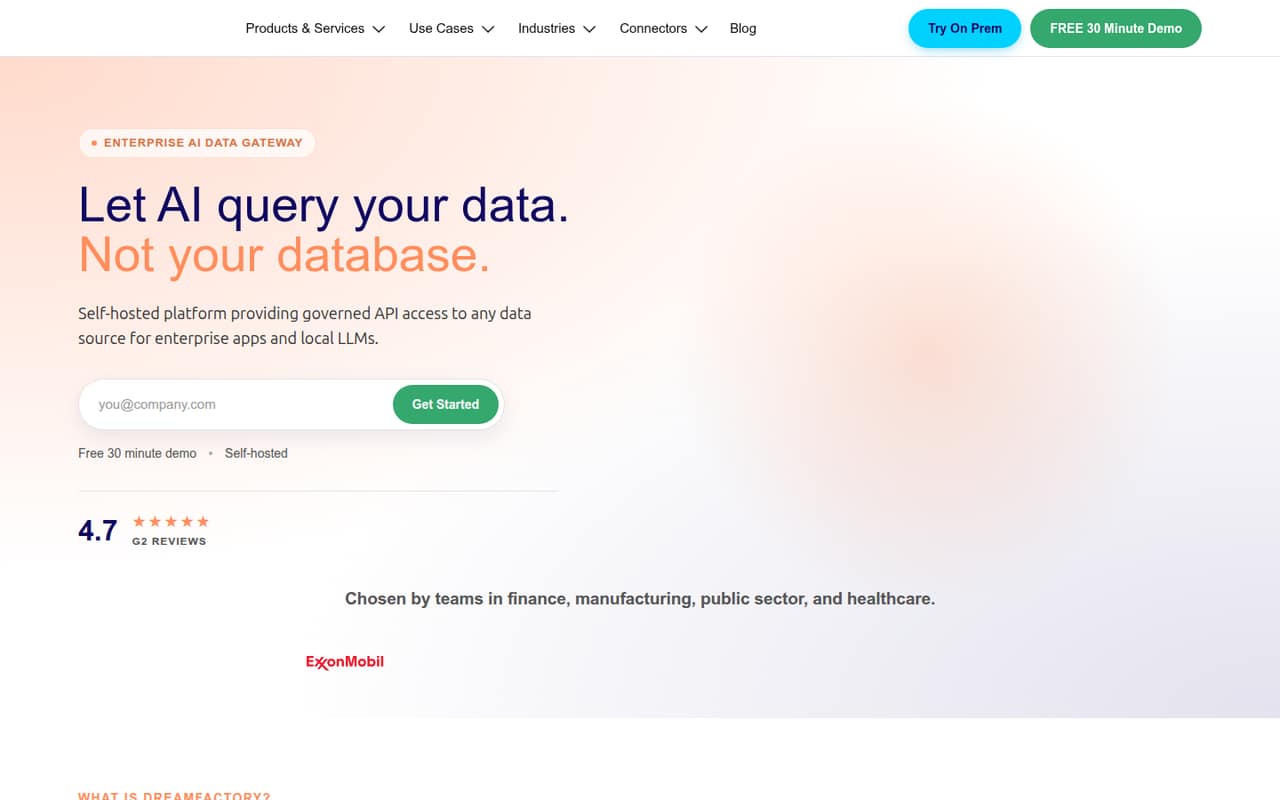
DreamFactory is aimed at teams governing enterprise data access, self-hosting API deployments, or developing with PostgreSQL. The listing includes a free plan, but its starting price is $1,500 and the commitment is described as high for a small team. That makes it a tough budget fit unless its governance and API generation match a real requirement.
What works
- Open Source plan is free
- Automatically generates REST APIs for data sources
- Supports self-hosted, private-cloud, edge, and hybrid deployments
What doesn't
- Cheapest paid plan costs $1,500 monthly, billed annually
- Lite includes just one database connector
- Separate month-to-month prices are not published
03How we chose
We ranked these tools for teams of 1–10, weighing whether a free plan is listed, the starting price, likely fit for a few seats, and setup needs such as account-free tests, local workspaces, or self-hosting. We also consider whether vendor docs clarify setup and plan limits, and whether Reddit sentiment offers useful cautions. We don’t treat a starting price as a team quote, infer plan limits, or claim hands-on testing. When seat costs or free-plan terms are unclear, we flag them as questions to settle with the vendor.
04Check the real cost for your seats
A starting price is a useful filter, not a small-team invoice. The listed entry points range from $5 for Apollo GraphOS to $1,500 for DreamFactory, but those figures don’t establish what three or eight seats will cost. Yaak’s listing specifies annual team billing; for the other tools, confirm the billing period and whether the price changes by seat, usage, or deployment.
Ask the vendor for the total at your expected seat count, plus any minimum commitment. Then check what the free plan actually includes: users, saved requests, collaboration, retention, and usage limits can determine whether it works for a real project. If the vendor doesn’t publish a limit, ask before moving shared work onto the plan. Keep the answer with your renewal notes so a low entry price doesn’t become a surprise.
05Match the tool to the work you do
Start with the job, not the longest feature list. Yaak is the broad option here for API work across several protocols. Webhook.site is for quick inspection of incoming webhooks, email, and DNS traffic. Hookdeck is the more targeted choice when inbound webhooks, shared access, or local debugging are central. Apollo GraphOS is aimed at unifying APIs, while DreamFactory focuses on governance, API generation, and self-hosted deployments.
Setup matters too. If you need to inspect test traffic quickly, Webhook.site’s account-free tests may suit your process. If you prefer local workspaces or Git-based request sharing, check Yaak’s workflow. A self-hosted deployment calls for an honest look at who will own setup and maintenance. Before buying, ask the vendor to show how your team’s everyday workflow fits the plan you’re considering.
Questions people ask
What is the best API to learn?
There isn’t one best API for every beginner. Start with an API connected to a project you want to build, then check that its documentation explains authentication, requests, and responses clearly. For practicing API requests, Yaak supports work across several protocols; Webhook.site is useful for quick incoming-webhook tests.
Is Netflix an API?
Netflix is not itself an API. An API is an interface software can use to exchange information or request actions. Whether a particular Netflix API is available for your use is a separate question; check Netflix’s current official documentation and terms rather than assuming access.
Is using an API legal?
It depends on the API, how you use it, and the terms and laws that apply. Read the provider’s terms, follow its authentication and usage rules, and check whether your intended use is allowed. For a consequential business use, get advice from a qualified legal professional.
What is the best API testing tool?
It depends on what you’re testing. For quick incoming-webhook checks, Webhook.site is a fit; for local webhook debugging, consider Hookdeck. For broader API work across several protocols, Yaak is a candidate. Compare the free-plan limits and the total cost for your seats before choosing.