We may earn a commission if you buy through links on this page. It never changes a score or a ranking. How we make money
A 1–10-person team may not need rewards software yet: if you only send occasional thank-you gifts, a simple reward-sending tool may be enough. For repeat purchases, referrals, or store visits, dedicated loyalty software can make campaigns easier to manage. Our leading options for small teams are Tremendous for reward delivery, Tango for occasional sends, and Smile.io for Shopify loyalty. Free plans can lower the cost of trying a tool, but seat limits and paid-plan terms matter. Check those, setup requirements, and any transaction or delivery fees before committing.
Quick picksThe shortlist
 TremendousTremendousBest for reward delivery · Free
 TangoTangoBest for occasional rewards · Free
 GoodyGoodyBest for business gifts · $20/mo
 Smile.ioSmile.ioBest for Shopify loyalty · $15/mo
 PiggyPiggyBest for small loyalty programs · $25/mo
 CelloCelloBest for product referrals · $65/mo
 Pass2U WalletPass2U WalletBest for wallet passes · $39/mo
 ReferrizerReferrizerBest for local marketing · $79/mo
 Square LoyaltySquare LoyaltyBest for Square sellers · $60/mo
 Kangaroo RewardsKangaroo RewardsBest for single-store loyalty · $79/mo
- WalletlyWalletlyBest for wallet campaigns · $15/mo
 Online RewardsOnline RewardsBest for managed fulfillment · Custom
 ClutchClutchBest for tailored loyalty · Custom
 ComoComoBest for food and retail · Custom
 FivestarsFivestarsBest for local shops · Custom
 FroogalFroogalBest for multi-location brands · Custom
 PunchhPunchhBest for restaurant brands · Custom
 ThanxThanxBest for restaurant marketing · Custom
 ebboebboBest for loyalty and promotions · Custom
 Talon.OneTalon.OneBest for complex incentives · Custom
01Compared at a glance
| Tool | Score | From | Free plan | Trial |
|---|---|---|---|---|
| TremendousTremendous | 7.8 | Free | Yes | — |
| TangoTango | 7.4 | Free | Yes | — |
| GoodyGoody | 7.2 | $20/mo | Yes | — |
| Smile.ioSmile.io | 7.2 | $15/mo | Yes | — |
| PiggyPiggy | 6.5 | $25/mo | Yes | — |
| CelloCello | 7.0 | $65/mo | Yes | — |
| Pass2U WalletPass2U Wallet | 6.5 | $39/mo | Yes | — |
| ReferrizerReferrizer | 6.7 | $79/mo | Yes | 15 days |
| Square LoyaltySquare Loyalty | 6.2 | $60/mo | No | — |
| Kangaroo RewardsKangaroo Rewards | 6.4 | $79/mo | No | — |
| WalletlyWalletly | 6.0 | $15/mo | No | — |
| Online RewardsOnline Rewards | 5.6 | Custom | No | — |
| ClutchClutch | 5.5 | Custom | No | — |
| ComoComo | 5.8 | Custom | No | — |
| FivestarsFivestars | 5.5 | Custom | No | — |
| FroogalFroogal | 5.8 | Custom | No | — |
| PunchhPunchh | 5.2 | Custom | No | — |
| ThanxThanx | 4.8 | Custom | No | — |
| ebboebbo | 4.8 | Custom | No | — |
| Talon.OneTalon.One | 5.2 | Custom | No | — |
02The picks, in detail
- Best for reward deliveryTremendousTremendous
Tremendous is our top pick for small teams that need to send rewards in bulk or reach recipients in multiple countries. It has a free plan and reward tracking, which makes it a practical starting point when you do not need a full customer loyalty program. The starting paid price and seat terms are not published, so ask about recipient fees and prepaid-card use before scaling.
What works
- No platform or subscription fee
- Bulk sending by spreadsheet, integration or API
- Recipients can choose from multiple reward types
What doesn't
- Rewards still cost their face value
- Some payout methods have a 4–6% fee
- Credit-card funding may add a 3% fee
- Best for occasional rewardsTangoTango
Tango suits small teams sending rewards now and then, with global reward choices, reward links, payouts, and a free plan. Its starting paid price is not published, so a few seats cannot be priced from public figures. Check API costs and card fees if you plan to automate sends or offer prepaid cards; those charges can change the value of an otherwise simple setup.
What works
- Free self-serve portal with no minimums
- More than 3,100 reward options
- Rewards available across 200+ countries and territories
What doesn't
- Credit-card funding carries a 3.5% fee
- Physical cards cost $3 each to issue
- Enterprise / RaaS API pricing is custom
- Best for business giftsGoodyGoody
Goody is a strong fit for a small team coordinating business gifts, especially when recipients should not need to share an address up front. Starter costs nothing for eligible shipping regions; the listed starting price is $20. Check whether your recipients are in supported regions and what paid-plan terms apply before choosing it for regular gifting.
What works
- Starter has unlimited seats and gifts
- Recipients can accept, swap, or upgrade
- Send by email, SMS, or link
What doesn't
- Starter shipping covers only three countries
- Pro costs more as paid seats increase
- Pro price depends on monthly or annual billing
- Best for Shopify loyaltySmile.ioSmile.io
Smile.io is built for Shopify stores that want points and referrals, and its free plan covers basic loyalty needs. The listed starting price is $15, while VIP features raise the bill to $199 a month. That gap makes it worth checking which features your team actually needs before upgrading. Seat terms are not listed, so confirm them if several staff members will manage the program.
What works
- Free plan includes points and referrals
- Free plan covers up to 200 monthly orders
- Rewards include discounts and free shipping
What doesn't
- Free plan is limited to 200 monthly orders
- VIP program starts at $199 per month
- Paid order allowances are capped
- Best for small loyalty programsPiggyPiggy
Piggy is worth considering for a small team building a loyalty program, particularly a Shopify store with fewer than 100 orders. It has a free plan and a listed starting price of $25. The plan limits and seat terms need confirmation before you commit, as does compatibility with the systems you already use. It may be a better fit than a larger, custom-quoted platform for a modest program.
What works
- Shopify Free covers up to 100 monthly orders
- Drag-and-drop tools are listed
- More than 100 integrations are listed
What doesn't
- General Starter plan costs $79 monthly
- Plan-specific limits are not listed
- Annual prices are not listed
- Best for product referralsCelloCello
Cello focuses on in-product referrals and referral reward tracking, making it a better match for software teams than for a shop running points or punch-card campaigns. A free plan is listed, with a starting price of $65. Check plan limits and transaction fees before rolling it out. The public starting price alone does not establish what a few team seats or a growing referral program will cost.
What works
- Free partner plan includes one campaign
- User plans include unlimited referrals
- User plans list zero transaction costs
What doesn't
- Free plan is for partner referrals only
- Free partner plan charges 5% transaction costs
- Start limits user programs to one campaign
- Best for wallet passesPass2U WalletPass2U Wallet
Pass2U Wallet is a practical option for small loyalty programs that need digital membership cards or shareable wallet passes. It has a free tier and a listed starting price of $39. Model limits and credit charges are worth checking before designing a campaign around it. Ask the vendor how those limits apply to your expected pass volume and whether multiple staff members can manage the program.
What works
- Supports Apple Wallet and Google Wallet passes
- Free model includes 10 active passes
- Share passes through websites and social media
What doesn't
- Free model blocks new passes above its limit
- Paid plans are priced per model, not seat
- Pass generation and email use credits
- Best for local marketingReferrizerReferrizer
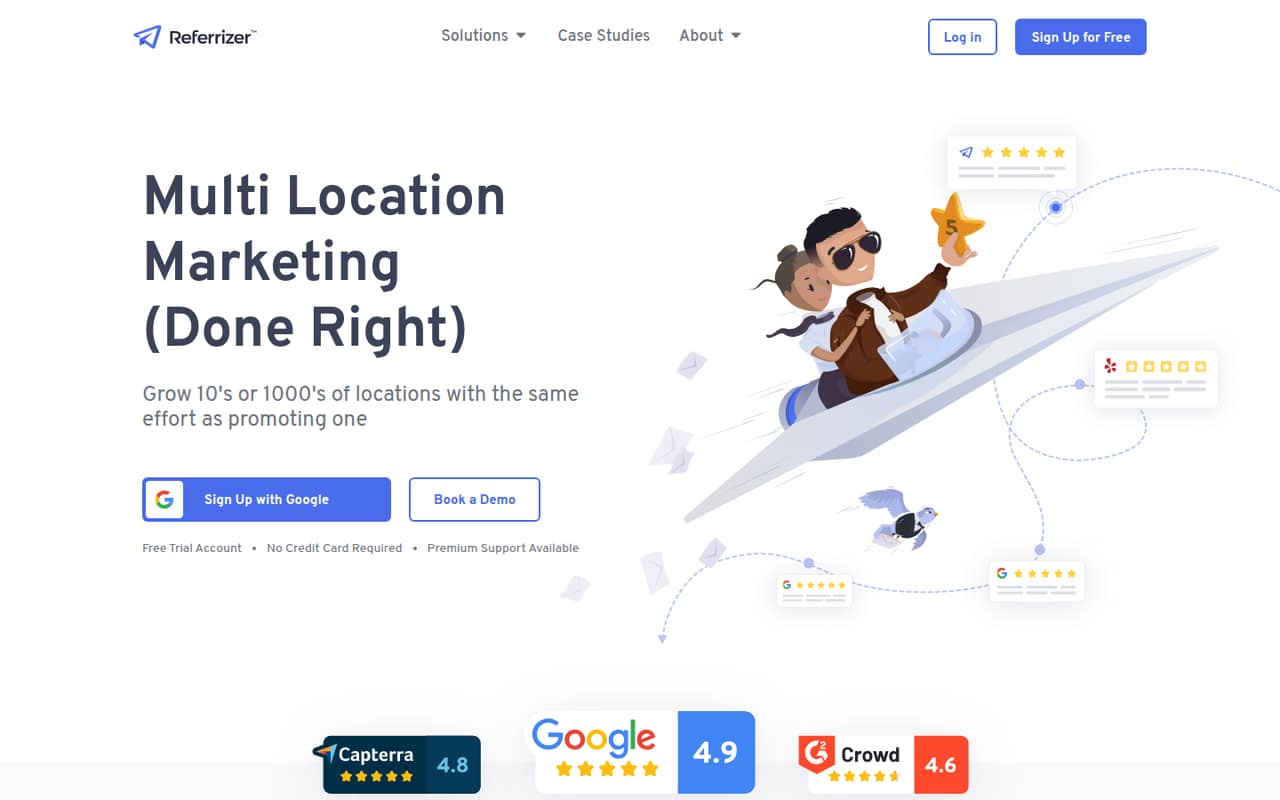
Referrizer combines local-business marketing, review generation, email, and reputation tools, and it lists a free CRM and email plan. Its starting price is $79. Unclear seat limits and add-on pricing make it harder for a small team to forecast the actual bill, so ask for a quote that covers the features and users you plan to use.
What works
- Free plan includes review tracking and email campaigns
- CRM and CSV contact importing are included free
- MAX includes 1,000 monthly SMS review requests
What doesn't
- Free-plan usage limits are unpublished
- Seat limits are unpublished across paid plans
- Several useful add-ons have unlisted pricing
- Best for Square sellersSquare LoyaltySquare Loyalty
Square Loyalty is worth a look if your business already uses Square and wants to encourage repeat visits alongside campaigns. It starts at $60 a month, so a one-location team with fewer than 500 visits should check whether the expected repeat business can justify that cost. Seat pricing is not listed. This is a more natural fit for Square sellers than for teams choosing a standalone loyalty tool.
What works
- Pairs a loyalty program with Square sales tools
- Can be used alongside marketing campaigns
- One listed plan covers up to 500 visits
What doesn't
- No free plan or trial is listed
- Starting price is $60 per location monthly
- Annual billing price is not published
- Best for single-store loyaltyKangaroo RewardsKangaroo Rewards
Kangaroo Rewards targets single-store businesses starting loyalty, with tools for connecting in-store and online sales and automating customer campaigns. The listed entry price is $79 a month, and there is no free plan. That is a meaningful commitment for a small team still validating its program. Confirm setup requirements and the features included at the entry price before moving customer activity onto it.
What works
- Core includes unlimited customers
- Points can reward purchases, visits, and other actions
- Supports membership tiers and escalating benefits
What doesn't
- No free plan is listed
- The vendor doesn’t publish annual pricing
- Core includes just one POS or eCommerce integration

- Best for wallet campaigns
WalletlyWalletly
Walletly is designed for businesses running wallet-based loyalty and linking online with in-store campaigns. It also supports agencies managing client sub-accounts. The listed starting price is $15, but there is no free plan and seat details are unclear. Ask what the entry plan includes, how many staff can access it, and whether client accounts change the price before choosing it for a small operation.
What works
- Creates several types of digital passes
- Supports Apple Wallet and Google Pay
- Includes wallet notifications and geofencing
What doesn't
- No free plan or trial is listed
- Starter costs $18 month to month
- Seat allowances are not published
- Best for managed fulfillmentOnline RewardsOnline Rewards
Online Rewards is aimed at company-wide incentive programs, managed reward fulfillment, and programs serving participants in multiple regions. That range may suit a team that needs help handling delivery, but the vendor uses custom pricing, making a small-team budget difficult to assess. Ask for a quote based on your participant count, regions, and fulfillment needs, along with the setup work expected from your team.
What works
- Program design and ongoing support are part of its services
- Branded programs can be configured around business goals and rules
- Catalog lists more than 2 million rewards
What doesn't
- No free plan or trial is listed
- Starting price and per-redemption rates are not published
- Monthly and annual billing details are not published
- Best for tailored loyaltyClutchClutch
Clutch offers several loyalty modules for businesses building tailored programs and coordinating retention campaigns. That flexibility may be useful when a basic points setup is not enough, but custom pricing makes it hard to judge value for a 1–10-person team. Ask which modules are necessary for your use case, what each costs, and how much configuration is needed before comparing it with simpler options.
What works
- Combines customer data and loyalty tools
- Supports gift cards and offer management
- Coordinates marketing across channels
What doesn't
- No free plan
- No free trial
- Monthly and annual prices are not published
- Best for food and retailComoComo
Como brings loyalty, marketing, and online ordering together for food and beverage businesses and retail teams. That combination may fit a team trying to coordinate customer activity across several functions. Como requires a custom quote, so there is no public starting price to compare with a small-team budget. Ask for costs by feature and location, plus the setup steps required before launch.
What works
- Combines loyalty, customer data and marketing
- Supports branded mobile apps
- Includes automated campaign tools
What doesn't
- No free plan is listed
- Starting price is not published
- Trial terms are not published
- Best for local shopsFivestarsFivestars
Fivestars is aimed at local shops that want customer offers and a way to track loyalty activity. Those functions make it relevant for businesses focused on repeat visits, but public pricing is unclear. A small team should ask for the full cost, including any required add-ons, and confirm how many staff can access the account before treating it as a budget-friendly option.
What works
- Loyalty rewards encourage repeat visits
- Automated messages can target inactive customers
- Customer activity is tracked with transactions
What doesn't
- Starting price and plan structure aren't published
- No free plan or trial is listed
- Setup steps and integrations aren't detailed
- Best for multi-location brandsFroogalFroogal
Froogal combines loyalty and customer experience tools for multi-location consumer brands, including teams coordinating feedback and automated customer journeys. That scope may be more than a single small shop needs. Pricing is custom, so ask for a quote based on your locations and campaign needs. Also confirm what setup work your team must handle and whether the features can be bought separately.
What works
- Connects customer profiles across channels and touchpoints
- Combines loyalty, feedback, messaging and journeys
- Supports personalized campaigns
What doesn't
- Pricing requires a custom quote
- No free plan is listed
- A free trial is not specified
- Best for restaurant brandsPunchhPunchh
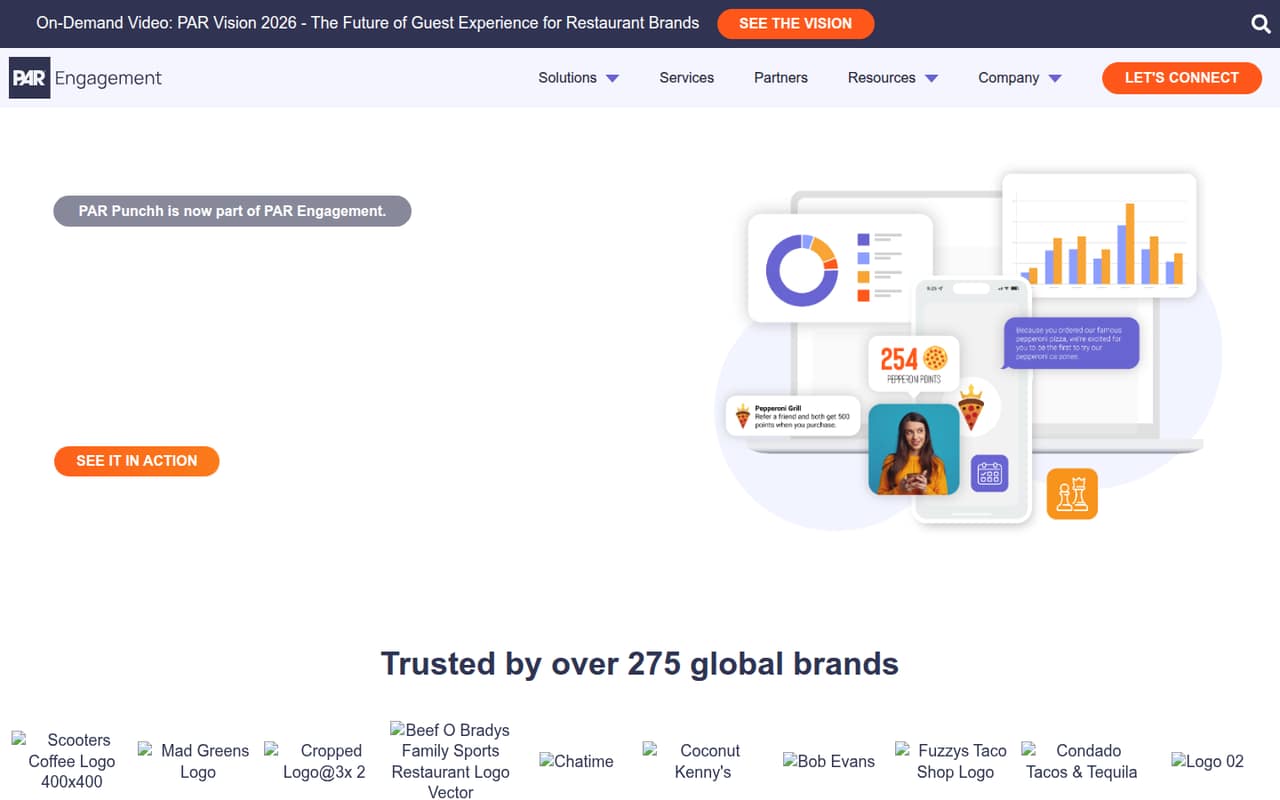
Punchh focuses on restaurant guest loyalty, offers across channels, and branded digital ordering. It may suit restaurant operators with coordinated marketing needs, but its custom pricing and contract details make the cost harder to assess for a small team. Request the contract length, full fees, and setup requirements before comparing it with a simpler loyalty product or a tool already tied to your ordering system.
What works
- Loyalty rewards, tiers, and exclusive experiences
- Personalized offers across email, SMS, app, and web
- Guest profiles combine loyalty, ordering, and marketing behavior
What doesn't
- Pricing is custom and the starting price is not published
- No free plan is listed
- Monthly and annual billing terms are not published
- Best for restaurant marketingThanxThanx
Thanx is built for multi-location restaurant marketing teams that want loyalty, repeat-visit programs, and automated guest campaigns. A small independent operator may not need that breadth, and custom pricing makes the budget hard to judge. Ask whether its features fit your number of locations and what the full contract costs, including setup, before putting it on a shortlist.
What works
- Combines loyalty, ordering, marketing automation, and guest data tools.
- Segmentation uses more than 400 guest attributes.
- Supports email and push campaign automation.
What doesn't
- Pricing is a custom quote.
- No free plan is listed.
- No free trial is listed.
- Best for loyalty and promotionsebboebbo
ebbo covers several approaches to loyalty and promotions, which may appeal to brands that want more than a basic rewards program. Its custom pricing leaves the value unclear for a small team comparing monthly costs. Ask which features are included in a proposed package, what implementation involves, and whether pricing changes with users or program size before deciding.
What works
- Supports paid loyalty programs
- Offers tiered and engagement programs
- Includes customer appreciation programs
What doesn't
- No free plan is listed
- Starting price isn't published
- Monthly and annual billing terms aren't published
- Best for complex incentivesTalon.OneTalon.One
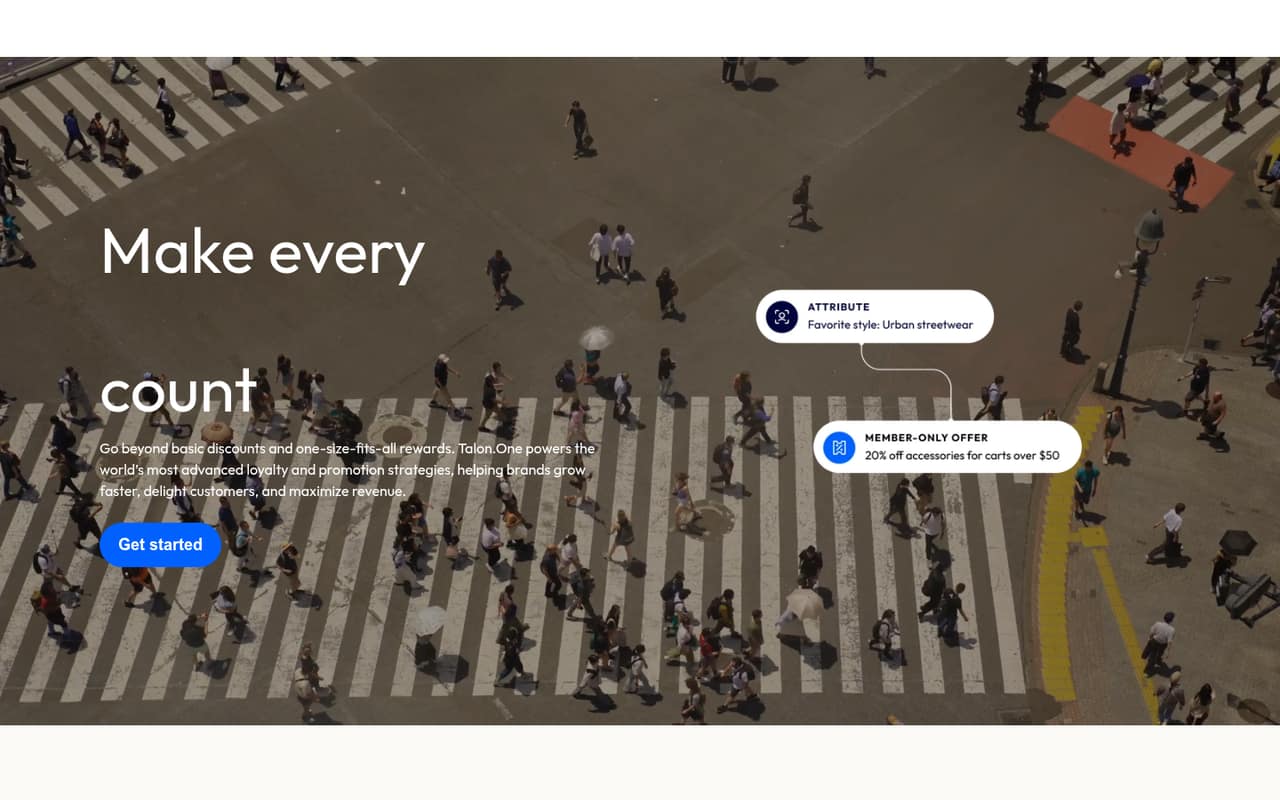
Talon.One is aimed at brands with loyalty programs, promotions across online and in-store channels, and complex incentive needs. That focus may be useful when a program has more rules than a small team can manage with a basic tool. There is no free plan or published starting price for small teams to check, so request a quote and implementation outline before evaluating it.
What works
- Supports loyalty programs and promotions
- Covers online and in-store campaigns
- Includes personalized incentive capabilities
What doesn't
- Plan prices aren’t published
- No free plan is listed
- A free trial isn’t listed
03How we chose
We ranked tools for a 1–10-person team, weighing free-plan availability, listed starting prices, and whether the stated use cases match a small operation. We also considered seat pricing, plan limits, setup effort, product documentation, and user reports as checks a buyer should make. Where price, seats, or setup details are not published, we did not estimate them; we called out the questions to ask instead. A high score does not automatically mean a good small-team fit if the likely cost or required setup is unclear.
04Decide what kind of rewards you need
Start with the behavior you want to encourage. Customer loyalty tools are meant for repeat purchases, store visits, or referrals; reward-sending platforms focus on delivering incentives. Those are related jobs, but not interchangeable. If you only send occasional gifts or payouts, a dedicated customer loyalty system may be more than your team needs. If you run a Shopify store, a Shopify-focused option such as Smile.io or Piggy may be a closer match. Restaurant and multi-location businesses should check whether the product supports their channels and locations. Before booking a demo, write down the audience, reward type, and campaign you need first. Then ask the vendor to show how that exact use case works, what your staff must configure, and whether you can start with fewer features.
05Price the whole program, not just the entry plan
A free plan can make it easier to start, but confirm its limits before moving customers or staff onto it. Ask how many users can access the account, what campaign or participant limits apply, and whether reward delivery, credits, API use, or payment cards add fees. When the vendor lists a starting price but not seat terms, request a quote for your actual team size rather than multiplying an assumed per-user rate. For custom pricing, ask for a written breakdown of setup, recurring charges, contract length, and costs that rise with locations or activity. Also ask who handles configuration and what your team needs to prepare. A low entry price is only useful if it covers the work and volume you expect.
Questions people ask
What is the best loyalty program?
There is no single best choice for every business. For a small team, match the tool to the customer behavior you want to encourage and check its price, plan limits, and setup needs. Smile.io is a candidate for Shopify loyalty; Tremendous and Tango are better fits for sending rewards.
What is loyalty software?
Loyalty software helps a business manage programs intended to encourage repeat customer activity. Depending on the product, that can include points, referrals, campaigns, incentives, or reward delivery. Before buying, check that it supports the customer channels and program type your team actually uses.
What are the four C's of customer loyalty?
The phrase can refer to different frameworks, so ask which definition a source or vendor is using. For a practical buying check, consider customer needs, convenience, communication, and cost: does the program matter to customers, make rewards easy to use, explain them clearly, and fit the budget?
Which brands have the highest brand loyalty?
There is no single answer without choosing a market, audience, and measurement method. For a small business, focus on your own repeat visits, repeat purchases, and referrals instead of copying a large brand's program. Ask prospective vendors how their reporting tracks the behavior you care about.