We may earn a commission if you buy through links on this page. It never changes a score or a ranking. How we make money
Most teams of one to ten need an ecommerce platform only if they’re ready to sell through a dedicated store or checkout. For a managed store that can support online and in-person sales, Shopify is our best broad fit. Digital sellers can start more cheaply with Payhip or Gumroad, while Big Cartel suits makers keeping a small shop lean. Check the free-plan limits and ask about seat pricing before committing: starting prices alone don’t show what a team will pay.
Quick picksThe shortlist
 ShopifyShopifyBest for omnichannel · CHF 21/mo
 PayhipPayhipBest for digital products · $29/mo
 Big CartelBig CartelBest free storefront · $15/mo
 WooCommerceWooCommerceBest for store control · Free
 GumroadGumroadBest for no monthly fee · Free
 EcwidEcwidBest for tiny catalogs · $5/mo
 SellfySellfyBest for creator stores · $22/mo
 StorenvyStorenvyBest for indie shops · $7.99/mo
 BigCommerceBigCommerceBest for growing stores · $29/mo
01Compared at a glance
| Tool | Score | From | Free plan | Trial |
|---|---|---|---|---|
| ShopifyShopify | 7.7 | CHF 21/mo | Yes | 3 days |
| PayhipPayhip | 8.0 | $29/mo | Yes | — |
| Big CartelBig Cartel | 7.2 | $15/mo | Yes | 7 days |
| WooCommerceWooCommerce | 7.6 | Free | Yes | — |
| GumroadGumroad | 6.5 | Free | Yes | — |
| EcwidEcwid | 6.3 | $5/mo | No | — |
| SellfySellfy | 6.3 | $22/mo | No | 14 days |
| StorenvyStorenvy | 6.1 | $7.99/mo | Yes | — |
| BigCommerceBigCommerce | 6.5 | $29/mo | No | 15 days |
02The picks, in detail
- Best for omnichannelShopifyShopify
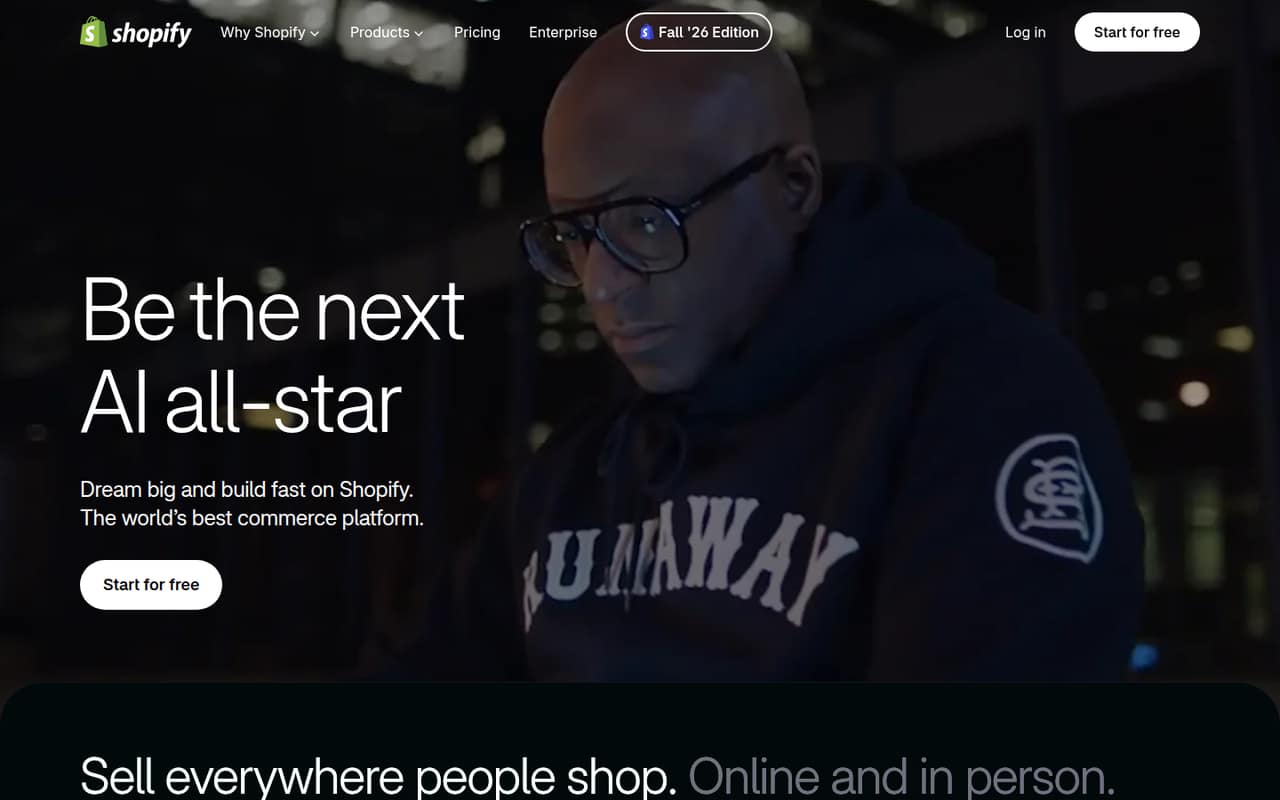
Shopify is our top pick for a small team selling online and in person, or across sales channels. The listed starting price is $21, and a free plan is noted. The trade-off is the bill: the listing warns that a few seats and add-ons raise costs. Confirm the price for your team size and the features you need before choosing a plan.
What works
- Online, in-person, social and AI channel selling
- Payments, fulfillment and retail managed centrally
- AI store creation or prebuilt themes
What doesn't
- A team plan costs more than Basic
- Third-party transaction fees vary by plan
- POS Pro costs extra per location
- Best for digital productsPayhipPayhip
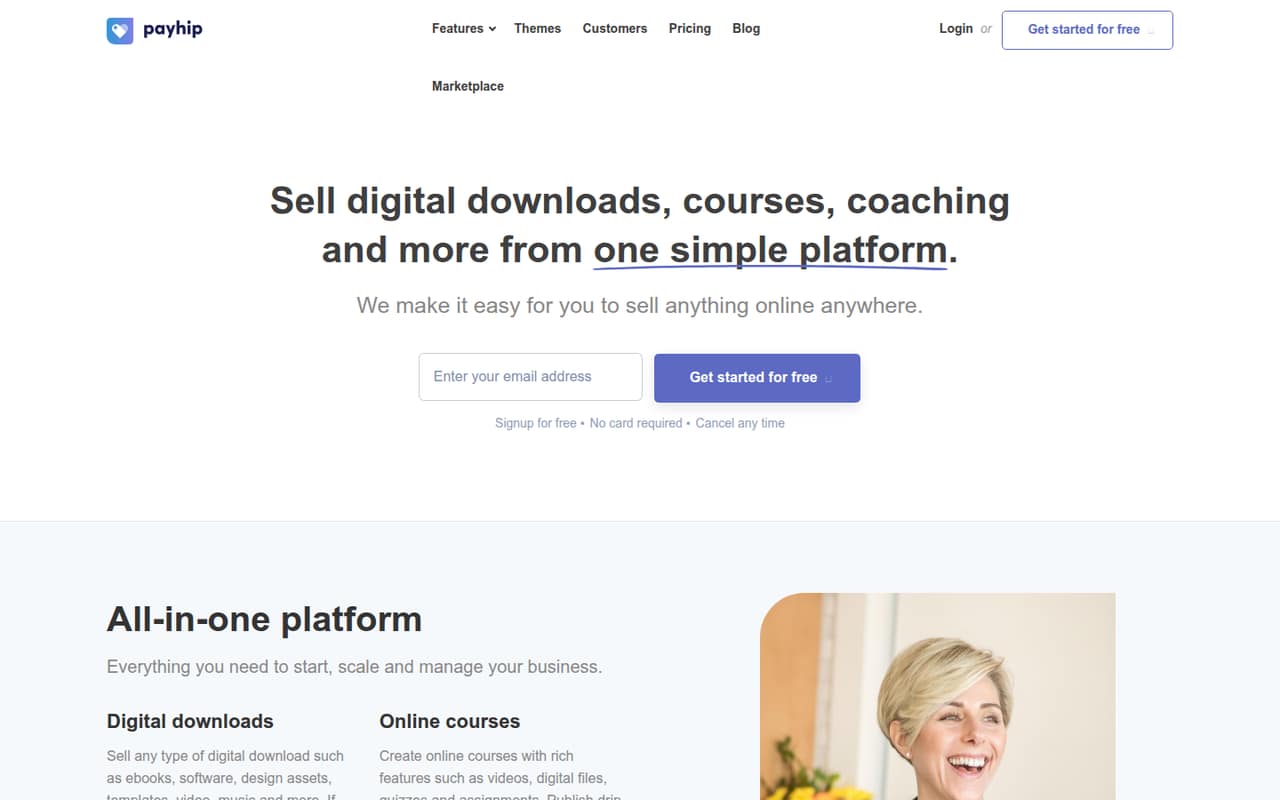
Payhip fits teams selling digital downloads or testing a product idea, with a free plan and a listed starting price of $29. It offers a customizable store, but the listing says sellers should be comfortable bringing their own buyers. It’s a sensible starting point for a digital product, not a promise that the platform will find customers for you.
What works
- Free Forever includes all features
- Unlimited products and revenue on every plan
- Sells digital and physical products
What doesn't
- Free Forever charges a 5% transaction fee
- PayPal and Stripe fees are extra
- Processor fee rates are not stated
- Best free storefrontBig CartelBig Cartel
Big Cartel is a budget-friendly option for independent artists and makers who can bring their own traffic. A free plan is listed, with a starting price of $15. The listing describes it as a fit for small shops and notes that sellers need to bring their own customers. Check the plan’s catalog limits against the number of products you plan to sell.
What works
- Free Gold plan gives sellers a no-cost starting point
- Platinum lists physical and digital product sales
- Customizable storefront designs require no coding
What doesn't
- Gold's feature details are not listed
- Annual billing rates are not published
- Seat pricing for small teams is not published
- Best for store controlWooCommerceWooCommerce
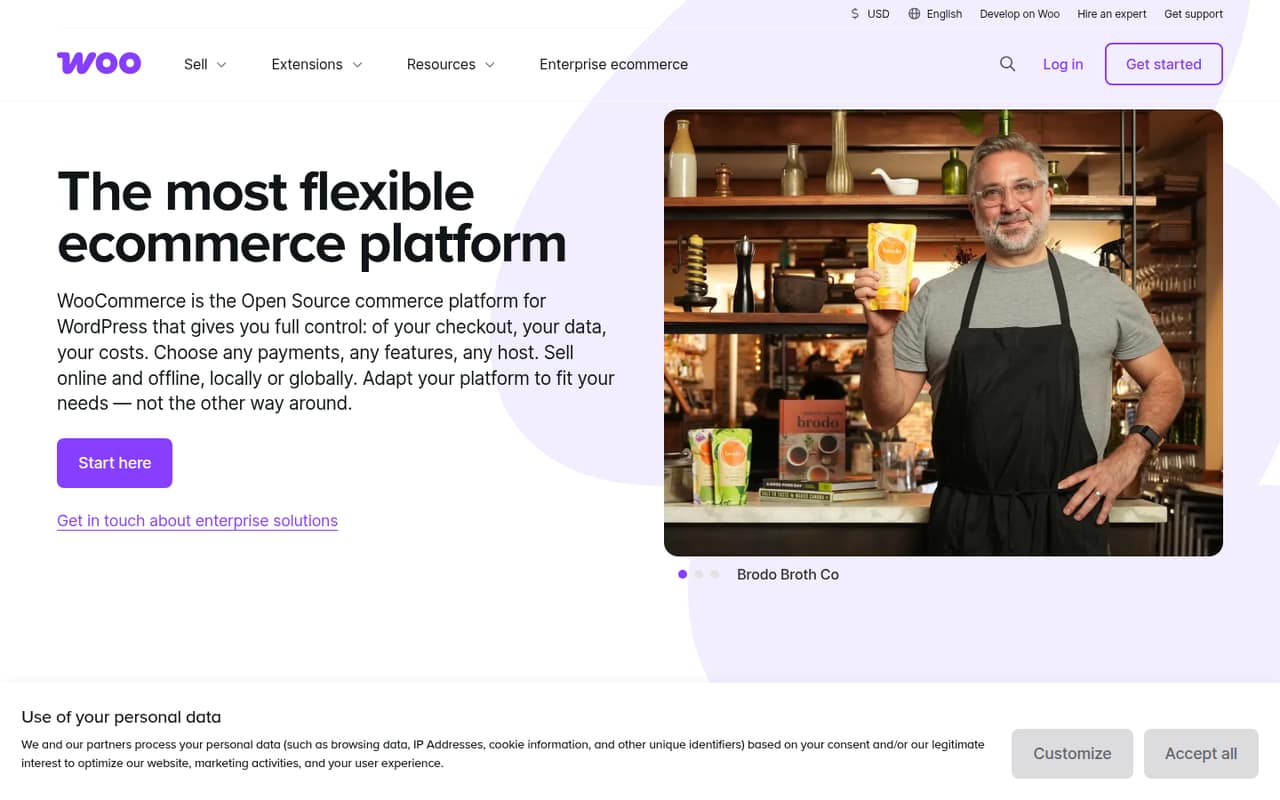
WooCommerce has a free core platform and suits teams already using WordPress or wanting control over their store. The trade-off is more responsibility: the listing says owners choose a host and manage more setup and running costs. It can work for a technical team that’s comfortable making those decisions, but the free core does not tell you the full cost of operating a store.
What works
- Free, open-source core platform
- Unlimited products, orders and APIs
- No platform fees or revenue share
What doesn't
- Hosting costs extra
- Extensions can add recurring costs
- Setup is less easy, Reddit users say
- Best for no monthly feeGumroadGumroad
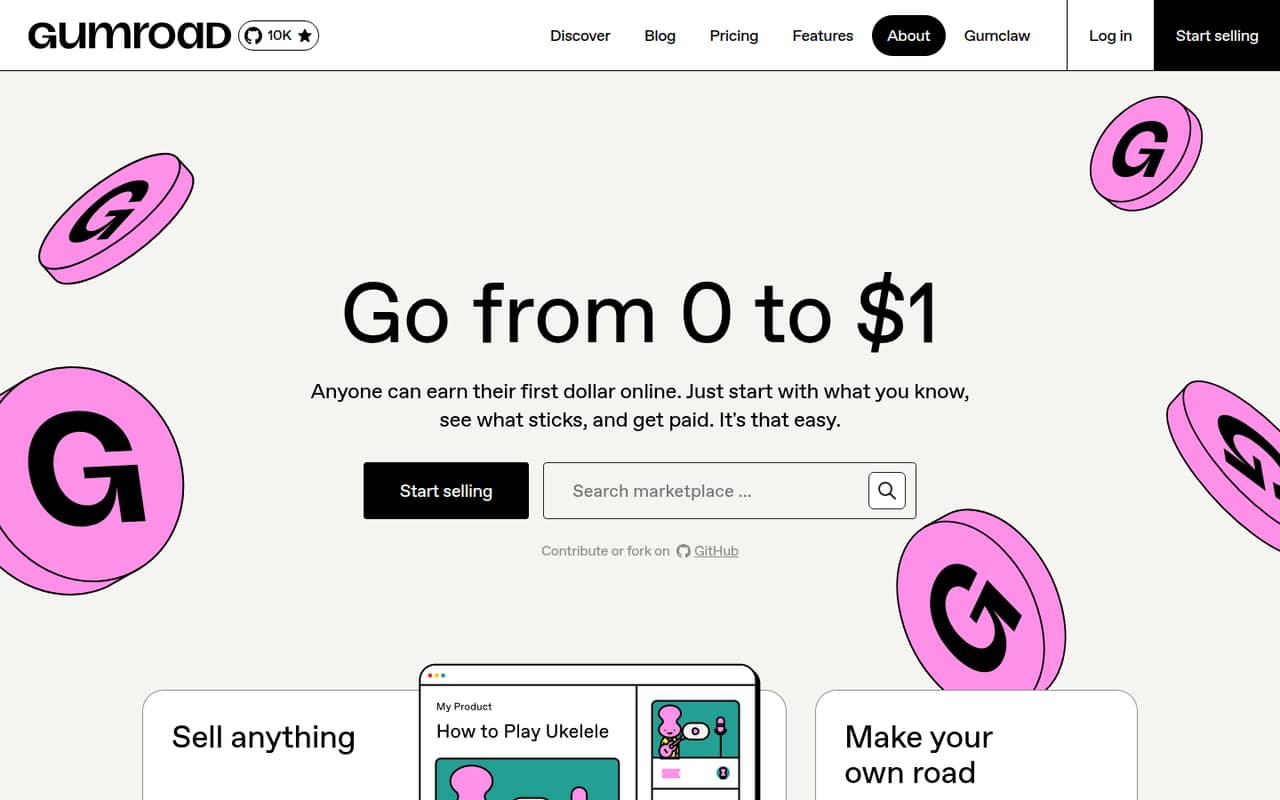
Gumroad is worth considering if your small team sells digital downloads or subscriptions and wants no monthly fee. Its listed starting price is n/a, and the listing notes a free plan. Sales-based fees are the trade-off, so compare those with your expected sales before deciding. It’s a focused option for digital sellers, rather than a general-purpose physical-goods store.
What works
- No monthly fee
- Sell through a Gumroad storefront or your own site
- Supports one-time, recurring and fixed-length payments
What doesn't
- Direct and profile sales carry a percentage fee plus a fixed fee
- Discover marketplace sales have a higher listed fee
- Transaction costs rise as sales increase
- Best for tiny catalogsEcwidEcwid
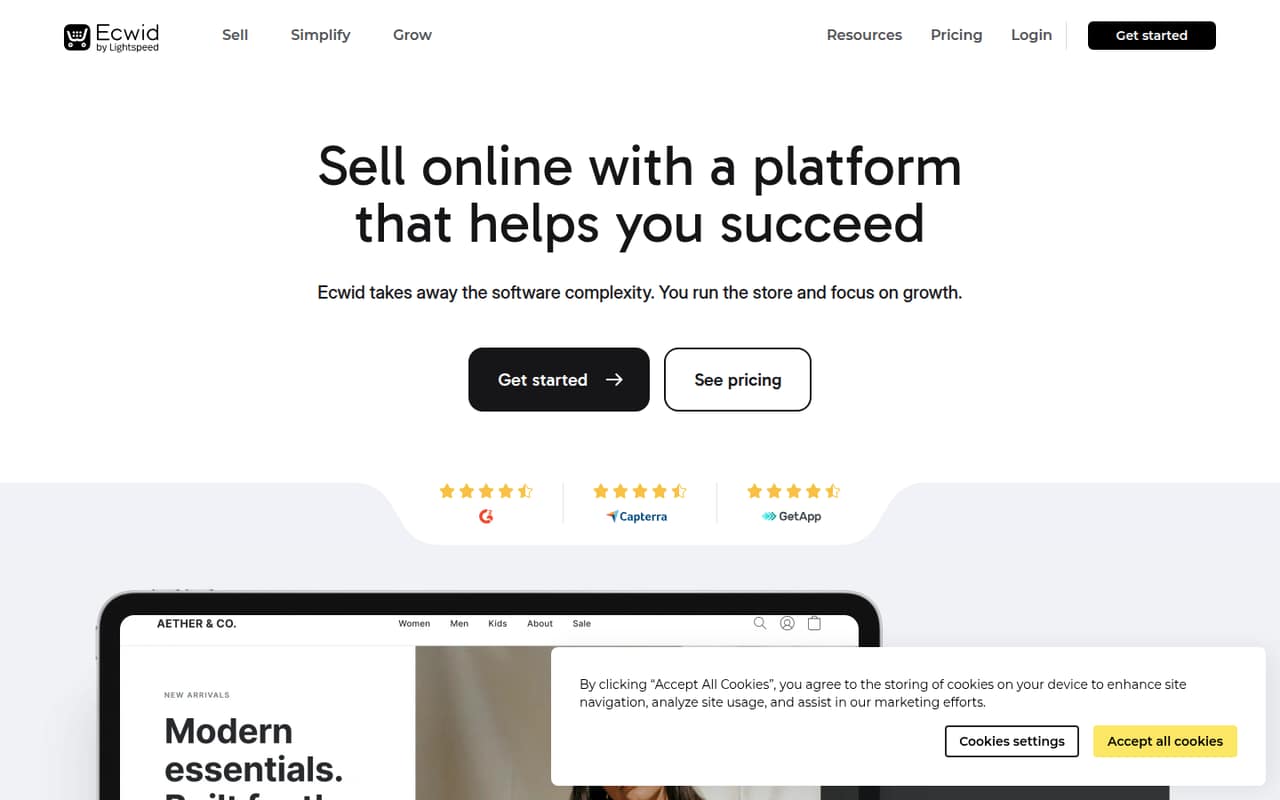
Ecwid’s listed starting price is $5, and it suits sellers starting with a few products or adding a store to an existing website. The listing calls it budget-friendly but says important plan details should be confirmed first. Ask which features and product limits apply at the price you’re considering, and whether your team needs any paid seats.
What works
- Starter is listed at $5 per month
- Starter includes 10 products
- Can add a store to an existing website
What doesn't
- No free plan or trial is listed
- Annual billing price is not published
- Staff-account allowance and seat charges are unclear
- Best for creator storesSellfySellfy
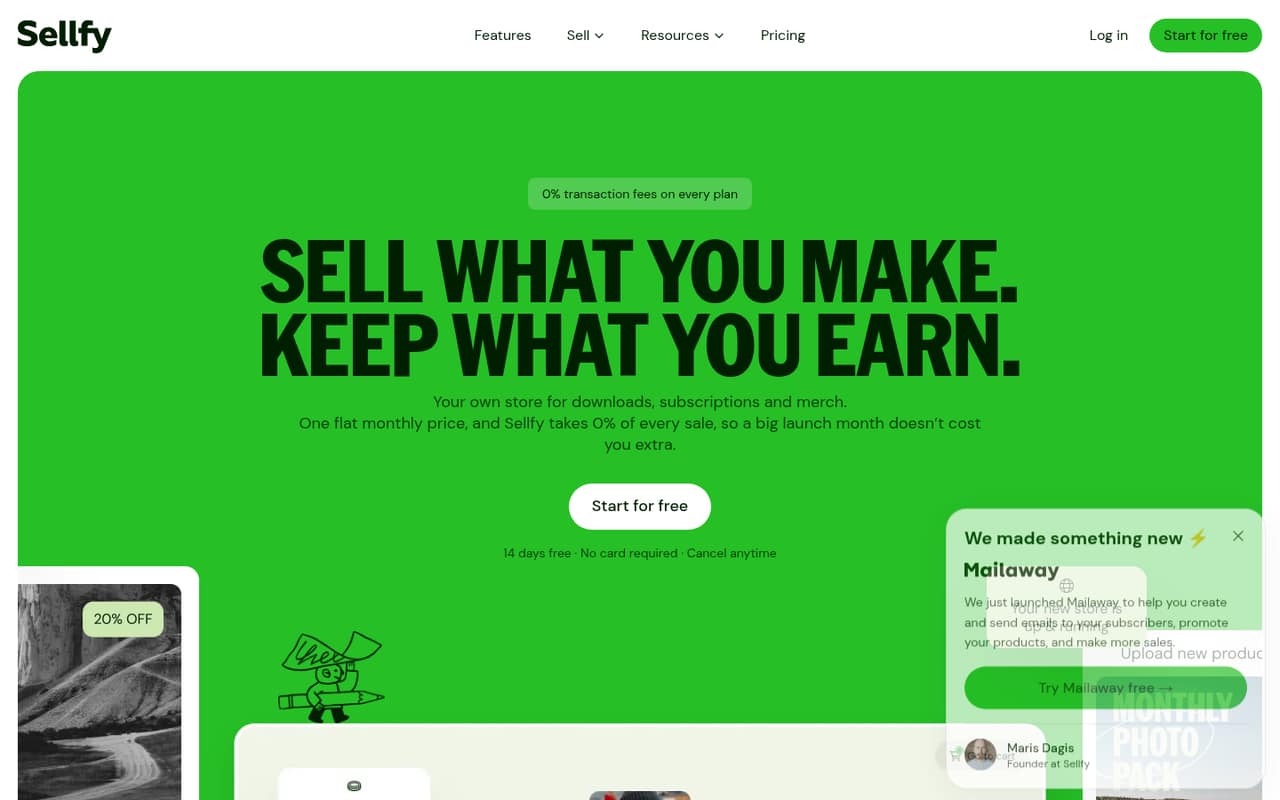
Sellfy is aimed at creators who want a simple storefront for digital downloads. The listed starting price is $22, and there’s no free plan noted. The listing describes it as a better fit for predictable sales below $10,000, so sellers with higher or less predictable sales should check the plan terms and sales limits before building around it.
What works
- No-code storefront with drag-and-drop editing
- Sells digital, physical, and subscription products
- Unlimited products on every listed paid plan
What doesn't
- No free plan after the 14-day trial
- Starter caps yearly sales at $10,000
- Payment processing fees still apply
- Best for indie shopsStorenvyStorenvy
Storenvy offers a free start for indie sellers testing a small catalog, with a listed starting price of $7.99. The listing flags modest catalog limits and uncertain marketplace reach. That makes it a possible low-cost trial for a small shop, but check whether the free plan fits your catalog and whether you have another way to bring customers.
What works
- Free plan includes 20 marketplace products
- Free plan includes 20 storefront products
- Custom store and marketplace in one service
What doesn't
- Free plan caps each product listing type at 20
- Paid catalog limits vary by plan
- Add-on and overage costs aren't published

- Best for growing storesBigCommerceBigCommerce
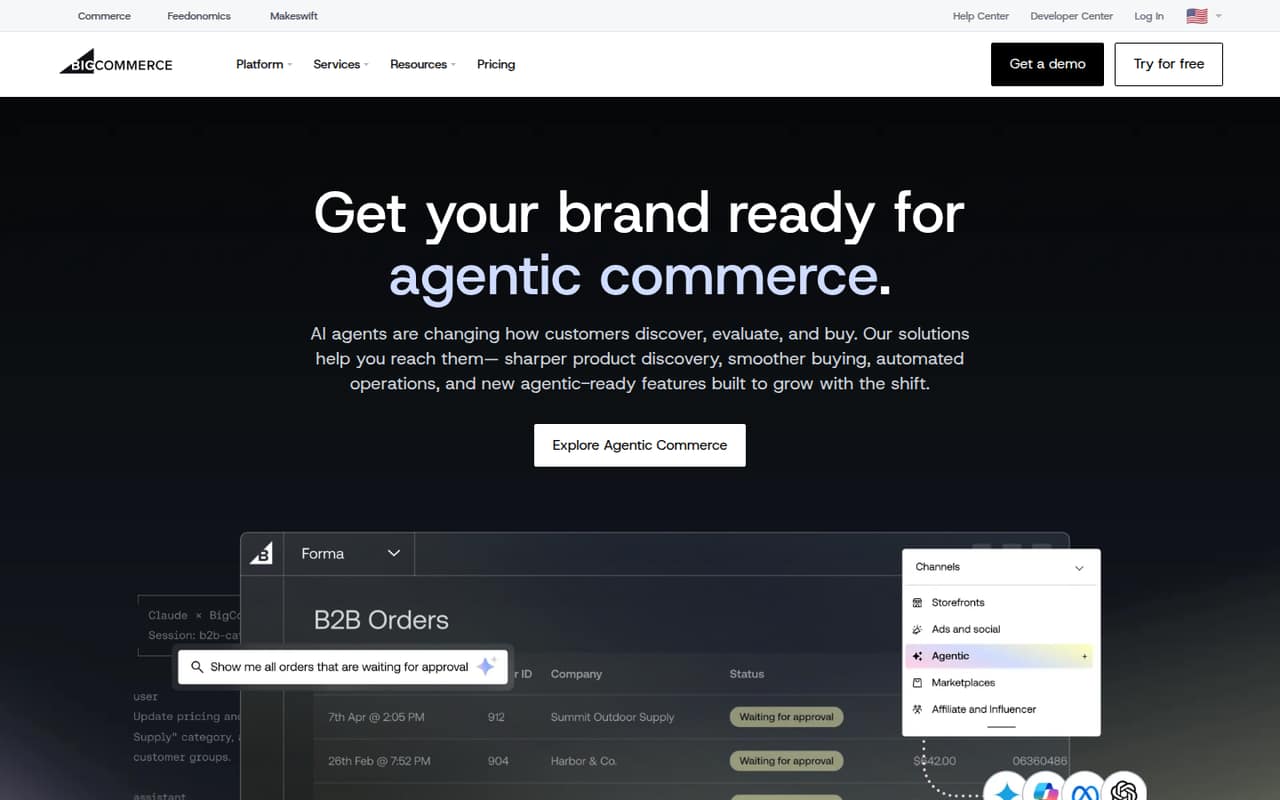
BigCommerce is a candidate for teams selling across markets or needing B2B account pricing. Its listed starting price is $29, and no free plan is noted. The listing says costs are tied partly to sales, so ask how your expected sales affect the bill. It may suit a growing store better than a team looking for a free, low-commitment start.
What works
- B2B tools include quotes, reorders, and buyer approvals
- Supports multiple languages and currencies from one storefront
- Visual drag-and-drop storefront editor
What doesn't
- No free plan
- Core has a $30K trailing-12-month GMV limit
- Eligible open-provider orders carry plan-based fees
03How we chose
We ranked platforms for a team of one to ten, giving weight to free access, a low starting price, and a clear fit for a small catalog or focused selling model. We also considered setup effort, including whether the listing points to a prebuilt store or self-hosted software, and whether plan or catalog limits could get in the way. Published plan details matter more than a high score alone. We treated user sentiment as a secondary signal and avoided claiming hands-on tests or benchmarks.
04Compare the real cost, not just the starting price
A low starting price can help a small team try a store, but it does not tell you what three or five people will pay. The listed starting prices include $21 for Shopify, $5 for Ecwid, and $29 for Payhip and BigCommerce. Seat costs are not published in these listings, so ask each vendor for a quote for your actual team size.
- Confirm whether the free plan is ongoing and what it limits. Big Cartel’s listing flags catalog limits; Storenvy’s notes modest catalog limits.
- Ask whether sales, payment processing, transactions, add-ons, or extra seats change the bill. The listings flag sales-based fees for Gumroad and costs tied partly to sales for BigCommerce.
- For WooCommerce, count hosting and other running costs: the free core still leaves you choosing a host.
05Match the platform to your setup and next step
Choose around what you sell and how much technical work your team can take on. Shopify is positioned for managed commerce and online-plus-in-person sales. Payhip, Gumroad, and Sellfy focus on digital or creator sales; Big Cartel and Storenvy suit indie shops with smaller catalogs. Those differences matter more than choosing a tool because its name is familiar.
Setup can also shift the real cost. Sellvia’s listing highlights a prebuilt storefront, while WooCommerce asks owners to choose hosting and manage more setup. If you pick a platform with limits, decide what would trigger a move: a larger catalog, more seats, broader sales channels, or higher sales. Before you sign up, ask the vendor to confirm those limits and explain how a growing team would move to the next plan.
Questions people ask
Which ecommerce platform has a free plan?
The listings note free plans for Shopify, Payhip, Big Cartel, WooCommerce, Gumroad, and Storenvy. That doesn’t mean every feature is free: check the plan limits, catalog size, and any sales-based charges. WooCommerce’s free core also leaves your team to choose and pay for hosting.
What is the cheapest ecommerce platform for a small team?
Among the listed starting prices, Ecwid starts at $5 and Storenvy at $7.99; both are described as having a free plan or free start. The best fit depends on catalog limits and fees, so confirm the plan details rather than choosing on price alone.
Do ecommerce platforms charge for extra team members?
Seat pricing is not published in these listings. Ask the vendor for the cost at your current team size and what happens when you add staff. Shopify’s listing specifically warns that a few seats and add-ons raise the bill, so include them in your estimate.
When should a small team move to a bigger platform?
Consider a change when your catalog outgrows plan limits, you need more sales channels, or the cost of seats and fees no longer fits your budget. For example, Storenvy’s listing flags modest catalog limits, while BigCommerce is positioned for stores approaching $30K in annual sales.